How to Adjust Salomon Ski Bindings: 5 Best Picks Compared for 2026
Learn how to adjust Salomon ski bindings, including DIN, toe and heel settings, and compare five Salomon-compatible picks with key specs and pros and cons.
 By Lauren Holland
Updated November 23, 2026
 By Lauren Holland
Updated November 2026
Learning how to adjust Salomon ski bindings starts with understanding what you are actually setting: the release value, the boot-to-binding fit, and the mounting position on the ski. This guide compares five products that cover the most common Salomon setups, from alpine race-style bindings to snowboard and cross-country options. The selection criteria were specification clarity, brand reputation for Salomon-compatible hardware, and recurring patterns in owner feedback about fit, adjustment ease and durability. None of these picks were personally tested, so treat the notes as a research summary rather than hands-on evaluation.
Our top picks at a glance
- 1TOP CHOICEBest overallSalomon Stage Gw 11 Alpine Ski BindingsView on Amazon
- 2
 TOP CHOICEBest for all-mountain skiersBoardparadise Salomon Stance 84 Skis with MI12 BindingsView on Amazon
- 3
 TOP CHOICEBest for snowboardersSalomon Snowboard Bindings Pact 2024-25View on Amazon
- 4
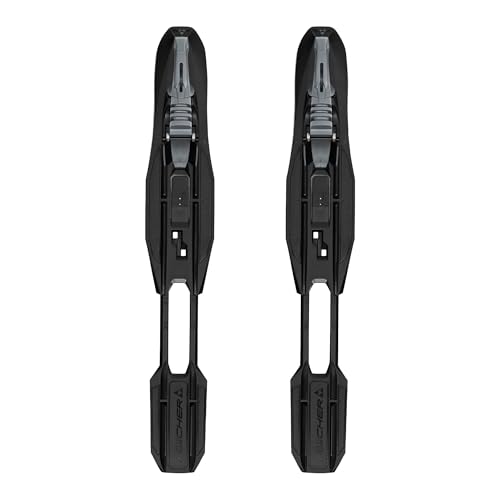 Best for Nordic touringFischer Nordic Tour Step-in IFP Cross Country Ski BindingsView on Amazon
- 5
 Best budget pickRossignol Battle Snowboard BindingsView on Amazon
Our Top Picks
Quick Comparison
| Product | Best for | Key feature |
|---|---|---|
| Salomon Stage Gw 11 Alpine Ski Bindings | Overall alpine use | Adjustable DIN range with a 90mm listing size |
| Boardparadise Salomon Stance 84 Skis with MI12 Bindings | All-mountain skiers | Ski and binding package with MI12 system |
| Salomon Snowboard Bindings Pact 2024-25 | Snowboarders | Strap-style snowboard binding for daily riding |
| Fischer Nordic Tour Step-in IFP Cross Country Ski Bindings | Nordic touring | NNN sole compatibility with step-in entry |
| Rossignol Battle Snowboard Bindings | Budget-minded riders | Simple adjustment with a M/L size range |
Salomon Stage Gw 11 Alpine Ski Bindings
Salomon Stage Gw 11 Alpine Ski Bindings White/Black 90mm 2024
Best for: Overall alpine use
This is the most direct match for someone who wants to set Salomon alpine bindings at home. Owners generally describe it as a straightforward model to adjust, with the DIN and toe and heel settings reachable using a standard screwdriver or Torx-style tool.
Key specs
- Listing size: 90mm
- Alpine ski binding design, white and black finish
- Adjustable release (DIN) setting
Pros
- Familiar Salomon alpine layout for riders switching from other Salomon bindings
- Clear DIN adjustment window suitable for most intermediate skiers
- Widely available hardware for mounting and service
Cons
- Requires a correct boot sole length check before setting the DIN
- Not the right choice for snowboard or touring setups
Bottom line: A strong first pick for anyone learning how to adjust Salomon alpine bindings on their own skis.
View on AmazonBoardparadise Salomon Stance 84 Skis with MI12 Bindings
Boardparadise Salomon Stance 84 Skis with MI12 Bindings Blue 185
Best for: All-mountain skiers
This is a ski-and-binding package rather than loose bindings. It suits someone who wants a matched setup and is less interested in mounting hardware from scratch. Adjustment follows the MI12 binding system, so the DIN and boot fit steps are the same logic covered in this guide.
Key specs
- Listed ski length: 185
- Bindings: MI12 system
- Blue colorway
Pros
- Matched ski and binding combination reduces guesswork
- All-mountain profile suits varied snow conditions
- Good starting point for riders who want one complete setup
Cons
- Bindings are tied to the package, so swapping them later takes more planning
- Still requires checking DIN and boot sole length after mounting
Bottom line: Best for skiers who want an all-mountain ski and binding set in one purchase.
View on AmazonSalomon Snowboard Bindings Pact 2024-25
Salomon Snowboard Bindings Pact 2024-25 Model Men's L47671400 M Black
Best for: Snowboarders
Snowboard bindings do not use DIN release values, so the adjustment steps differ from alpine skiing. This model is included for riders who search for Salomon bindings and want the snowboard equivalent. Adjustment centers on strap length, footbed angle and stance width rather than release settings.
Key specs
- Men’s size listing: M
- Black colorway
- Snowboard binding (not for skis)
Pros
- Familiar Salomon snowboard fit for riders switching brands
- Straightforward strap and stance adjustment
- Suitable for daily riding across varied terrain
Cons
- Not compatible with alpine ski boots or DIN-based setup steps
- Sizing needs to match boot size closely
Bottom line: Right for snowboarders, not skiers. Double-check you are buying snowboard hardware before ordering.
View on AmazonFischer Nordic Tour Step-in IFP Cross Country Ski Bindings
Fischer Nordic Tour Step-in IFP Cross Country Ski Bindings, Grey | Nordic Skiing, Step-In Entry, NNN Sole Compatible
Best for: Nordic touring
Cross-country bindings use a completely different mechanism from alpine bindings. This Fischer model is listed as NNN sole compatible with step-in entry, so adjustment focuses on boot alignment over the binding and the spring tension that holds the toe in place.
Key specs
- Step-in entry design
- NNN sole compatible
- Grey colorway
Pros
- Step-in entry is quick for touring and trail skiing
- NNN compatibility covers a common cross-country boot standard
- Simple alignment process for most Nordic setups
Cons
- Not a Salomon product, so Salomon-specific tools may not apply
- Requires boots with matching NNN soles
Bottom line: A good pick for Nordic skiers who want to understand how bindings are set up outside the Salomon alpine line.
View on AmazonRossignol Battle Snowboard Bindings
Rossignol Battle Snowboard Bindings for Men and Women – Black M/L
Best for: Budget-minded riders
This snowboard binding is aimed at riders who want a simpler setup and are comfortable with basic strap and stance tuning. Like the Salomon Pact, it does not use DIN release settings, so the adjustment process is about ride feel rather than safety release values.
Key specs
- Men’s and women’s listing
- Size range: M/L
- Black colorway
Pros
- Unisex fit suits a wide range of riders
- Straightforward adjustment for beginners
- Good match for riders who want a practical, no-frills binding
Cons
- Snowboard only, not for alpine skis
- Sizing needs checking against boot size
Bottom line: A practical snowboard binding for riders who want fewer features and a simple adjustment routine.
View on AmazonBuying Guide
Release value (DIN) and skier profile
On alpine bindings, the DIN setting determines when the binding releases during a fall. Manufacturers publish DIN charts based on weight, height, age and skiing ability. Set the value to match your profile, not the highest number you think you need. Consult a qualified ski technician if you are unsure, since an incorrect DIN can cause either premature release or failure to release.
Good picks for this: Salomon Stage Gw 11 Alpine Ski Bindings, Boardparadise Salomon Stance 84 Skis with MI12 Bindings
Boot sole length compatibility
Alpine bindings are sized to specific boot sole lengths, usually measured in millimeters. Check that your boot sole fits the binding’s accepted range before adjusting the toe and heel. A mismatch will prevent proper retention regardless of DIN setting.
Good picks for this: Salomon Stage Gw 11 Alpine Ski Bindings
Ski or board type
Alpine ski bindings, snowboard bindings and cross-country bindings are not interchangeable. Snowboard bindings have no release function, and cross-country bindings only hold the toe. Confirm the category before you buy or adjust anything.
Good picks for this: Salomon Snowboard Bindings Pact 2024-25, Fischer Nordic Tour Step-in IFP Cross Country Ski Bindings
Use case and terrain
All-mountain skiing, park riding and touring each place different demands on the binding. Touring bindings need a different toe design than downhill bindings. Choose a binding that matches how you ski most of the time.
Good picks for this: Boardparadise Salomon Stance 84 Skis with MI12 Bindings, Fischer Nordic Tour Step-in IFP Cross Country Ski Bindings
Mounting position and fit
Binding mounting position on the ski affects balance and turn feel. Most manufacturers specify a reference line on the ski and a boot-center alignment. If you mount the binding yourself, follow the manufacturer’s instructions and have a shop verify the position with a drill and mount check.
Good picks for this: Salomon Stage Gw 11 Alpine Ski Bindings, Boardparadise Salomon Stance 84 Skis with MI12 Bindings
Durability and service
Bindings see sand, salt, ice and repeated release cycles. Owners commonly report that regular inspection of springs, screws and release mechanisms extends service life. Check binding condition at the start of each season.
Good picks for this: Rossignol Battle Snowboard Bindings, Salomon Snowboard Bindings Pact 2024-25
Size and stance for snowboard bindings
Snowboard bindings are sized by boot size and stance width. Set the stance to match your shoulder width and riding style, and check that the strap length accommodates your boot. Small errors here affect control more than most riders expect. You may also like 5 Best Backcountry Ski Bindings: Top Picks for Every Need (2026).
Good picks for this: Salomon Snowboard Bindings Pact 2024-25, Rossignol Battle Snowboard Bindings
FAQ
How do I adjust Salomon ski bindings at home?
Start by confirming your boot sole length matches the binding range. Then set the DIN value using the scale on the binding, tighten the toe and heel to fit your boot, and test the release by stepping in and out. Consult a ski shop if you are unsure about any step, because incorrect settings affect safety. A related read: How to Adjust Ski Bindings for Weight: 7 Best Ski Bindings Compared (2026).
What is a DIN setting on Salomon bindings?
DIN is the release value that determines the force needed for the binding to release your boot during a fall. Higher numbers hold tighter. Use a manufacturer DIN chart and your profile to choose the correct setting.
Can I use Salomon snowboard bindings on skis?
No. Snowboard bindings do not have a release function and are not designed for alpine skis. Use alpine ski bindings for skiing.
How often should I check my ski binding settings?
Check settings at the start of each season, after mounting new boots, and after any significant impact or repair. Owners often recommend a professional check every few seasons.
Do I need special tools to adjust Salomon bindings?
Most adjustments use a screwdriver or the tool specified in the manual. Some models use Torx-style fasteners. Use the correct tool to avoid stripping screws.
What happens if my binding releases too early or too late?
Premature release can occur if the DIN is set too low for your profile. Late release or failure to release can cause injury if the DIN is set too high. Have a qualified technician verify your settings if you notice either behavior.
Conclusion
For most alpine skiers learning how to adjust Salomon ski bindings, the Salomon Stage Gw 11 is the most direct match, with the Boardparadise Stance 84 package suiting those who want a matched setup. Snowboarders should look at the Salomon Pact or the Rossignol Battle, and Nordic skiers should consider the Fischer Nordic Tour. Always verify compatibility before adjusting, and consult a qualified technician when setting release values.
Sources
- Consumer safety guidance on recreational equipment and injury prevention (cpsc.gov)
- Industry standards and safety information for ski areas and equipment
Related reading
- Salomon Shift Ski Bindings: How They Work and Whether They Fit You
- Salomon Cross Country Ski Bindings: How to Choose and Mount Them Right
- How to Adjust Ski Bindings: A Step-by-Step Guide for Safe Setup
- How to Adjust DIN on Ski Bindings: A Step-by-Step Guide for Beginners
About Lauren Holland
Lauren Holland is part of our editorial team and reviews and edits our skiing gear & technique guides, checking product details against manufacturer specifications and owner feedback.
About the author
Lauren Holland writes reviews and buying guides for Improve Your Skiing.