Lightest Downhill Ski Bindings: 6 Best Picks Compared (2026)
Looking for the lightest downhill ski bindings? Compare six models by weight, fit and use case, with pros, cons and a buying guide to help you choose.
 By Lauren Holland
Updated November 23, 2026
 By Lauren Holland
Updated November 2026
Shopping for the lightest downhill ski bindings usually comes down to one trade-off: every gram you save has to be weighed against release reliability, durability and how well the binding holds a boot on hard snow. This guide compares six well-established models with that trade-off in mind. Our selection method was research-based, drawing on manufacturer specifications, brand reputation for alpine hardware and patterns in owner feedback. We did not test these bindings ourselves, so treat the picks as a starting shortlist rather than a verdict on any single product.
Our top picks at a glance
- 1TOP CHOICEBest overallRossignol Forza 20° Xpress – Downhill Skis with Bindings for Men and WomenView on Amazon
- 2
 TOP CHOICEBest for women's skisRossignol Arcade W 80° Xpress – Womens Downhill Skis with BindingsView on Amazon
- 3
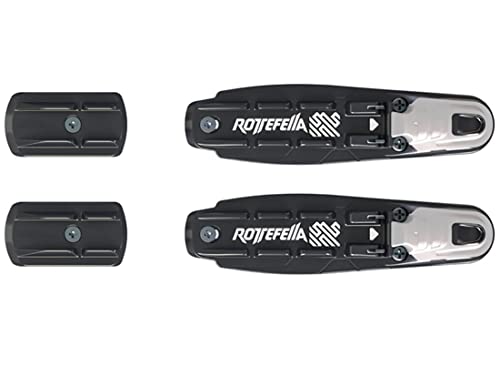 TOP CHOICEBest for touring crossoverROTTEFELLA Whitewoods NNN Auto Touring Basic Cross Country Black Ski Bindings, PairView on Amazon
- 4
 Best for all-mountain skiingMarker Squire 11 All-Mountain Ski Bindings, White, 90mmView on Amazon
- 5
 Best budget pickSalomon Stage Gw 11 Alpine Ski Bindings White/Black 90mm 2024View on Amazon
- 6
 Best for light frontside carvingAtomic Stage 10 GW Frontside Ski Bindings, Black/Smoke, L90View on Amazon
Our Top Picks
Quick Comparison
| Product | Best for | Key feature |
|---|---|---|
| Rossignol Forza 20° Xpress | Recreational downhill skiers wanting a light, forgiving setup | Xpress mounting system and step-in convenience |
| Rossignol Arcade W 80° Xpress | Women skiers on lighter, softer boot flexes | Women-specific release calibration |
| ROTTEFELLA Whitewoods NNN Auto Touring Basic | Skiers who want a light, simple cross-country or touring option | NNN compatibility and automatic binding action |
| Marker Squire 11 All-Mountain | All-mountain skiers who value a secure, compact platform | Compact, low-profile alpine design |
| Salomon Stage Gw 11 Alpine | Budget-minded skiers on groomed and mixed terrain | GripWalk compatibility for easier walking |
| Atomic Stage 10 GW Frontside | Frontside carvers wanting a light, responsive binding | Composite and aluminum construction for low weight |
Rossignol Forza 20° Xpress – Downhill Skis with Bindings for Men and Women
Rossignol Forza 20° Xpress – Downhill Skis with Bindings for Men and Women
Best for: Recreational downhill skiers who want a light, easy-entry binding for groomed and mixed terrain.
This is a good fit for skiers who spend most of their time on piste and want a setup that is simple to step into and fairly light on the foot and the ski. It suits intermediate skiers who are not yet pushing for high-speed, aggressive turns.
Key specs
- Sold as part of a ski-and-binding package with Xpress mounting
- Designed for downhill use on alpine boots
- Intended for recreational and intermediate skiing
Pros
- Light enough for long days without fatigue
- Quick, straightforward step-in and step-out
- Pairs well with a matched ski for a simple setup
Cons
- Less suited to very aggressive or high-speed skiing
- Package format means fewer options if you want to mix components
Bottom line: A strong choice for recreational skiers who want a light, uncomplicated package that handles everyday piste skiing well.
View on AmazonRossignol Arcade W 80° Xpress – Womens Downhill Skis with Bindings
Rossignol Arcade W 80° Xpress – Womens Downhill Skis with Bindings
Best for: Women skiers on lighter, softer boot flexes who want a women-oriented light setup.
This package targets women who prefer a softer, more forgiving feel underfoot. It is a sensible choice for skiers who want a lighter overall system and value a setup designed around their typical flex and weight range.
Key specs
- Women-specific ski and binding package
- Downhill use on alpine boots
- Xpress mounting system
Pros
- Women-oriented design suits lighter boot flexes
- Light, easy-to-handle package for all-day skiing
- Simple, matched setup reduces guesswork
Cons
- Not intended for aggressive or expert-level skiing
- Fixed package limits customizing components
Bottom line: Best for women who want a light, matched package for relaxed to intermediate piste skiing.
View on AmazonROTTEFELLA Whitewoods NNN Auto Touring Basic Cross Country Black Ski Bindings, Pair
ROTTEFELLA Whitewoods NNN Auto Touring Basic Cross Country Black Ski Bindings, Pair
Best for: Skiers who want a light, simple touring or cross-country binding rather than a full alpine downhill system.
This is a different category from the alpine bindings above. It suits skiers exploring light touring or nordic terrain who want the lowest possible weight and a binding that works with NNN boots. Downhill performance will not match a true alpine binding, so it is best for mixed or light backcountry use.
Key specs
- NNN (New Nordic Norm) compatible
- Sold as a pair, black finish
- Designed for cross-country and light touring use
Pros
- Very light, suitable for long climbs
- Simple design with fewer moving parts
- Compatible with the widely used NNN boot standard
Cons
- Not a true alpine downhill binding with DIN release
- Limited suitability for steep or high-speed descents
Bottom line: Pick this if your priority is minimal weight for touring or nordic use, not resort downhill performance.
View on AmazonMarker Squire 11 All-Mountain Ski Bindings, White, 90mm
Marker Squire 11 All-Mountain Ski Bindings, White, 90mm | Why We Like The Marker Squire 11 Ski Binding
Best for: All-mountain skiers who want a compact, secure platform without excess weight.
The Squire line is aimed at all-mountain skiers who move between groomers, bumps and variable snow. Its compact, low-profile design is a practical choice for skiers who want good control with a binding that does not add unnecessary mass.
Key specs
- 90mm brake width
- All-mountain alpine design
- White finish
Pros
- Compact, low-profile platform
- Well suited to variable, all-mountain conditions
- Brand known for reliable alpine hardware
Cons
- Heavier than the most minimal frontside options
- Brake width needs to match your ski waist carefully
Bottom line: A solid pick for all-mountain skiers who want a compact, dependable binding that is light enough for everyday use.
View on AmazonSalomon Stage Gw 11 Alpine Ski Bindings White/Black 90mm 2024
Salomon Stage Gw 11 Alpine Ski Bindings White/Black 90mm 2024
Best for: Budget-minded skiers on groomed and mixed terrain who value easy walking and a light feel.
Owners often report that GripWalk compatibility makes the binding easier to walk in, which matters on resort days with lots of stepping in and out. It is a practical choice for skiers who want a sensible, light binding without a premium price focus.
Key specs
- 90mm brake width
- GripWalk compatible sole interface
- White and black finish
Pros
- GripWalk compatibility improves walking comfort
- Light enough for all-day resort use
- Good value focus for everyday skiers
Cons
- Not designed for expert or freestyle-heavy skiing
- Specific boot sole compatibility should be verified before buying
Bottom line: Best for skiers who want a light, easy-walking binding for groomed and mixed resort skiing.
View on AmazonAtomic Stage 10 GW Frontside Ski Bindings, Black/Smoke, L90
Atomic Stage 10 GW Frontside Ski Bindings, Black/Smoke, L90 | DIN 3-10, Composite/Aluminum, Light Construction, Easy Step-in, GripWalk Compatible, All-Mountain
Best for: Frontside carvers who want a light, responsive binding with a composite and aluminum build.
The Stage 10 targets skiers who spend most of their time on groomed runs and want a responsive feel with low weight. Its composite and aluminum construction is designed to keep mass down while holding a secure connection to the ski.
Key specs
- DIN range listed as 3–10
- Composite and aluminum construction
- GripWalk compatible, L90 size designation
Pros
- Light composite and aluminum build
- Easy step-in design
- Suited to frontside carving and groomers
Cons
- DIN range tops out at 10, so not for high-force skiers
- Frontside focus means it is less versatile for off-piste
Bottom line: A good match for lighter frontside skiers who want responsiveness and low weight on groomed terrain.
View on AmazonBuying Guide
Check the Actual Weight Per Binding, Not Just the Marketing
Manufacturers usually list weight per binding or per pair, so confirm which figure you are reading before comparing models. Pairing a lightweight binding with a heavy ski can cancel out much of the savings. Weigh the whole setup if you care about total mass on the mountain.
Good picks for this: Atomic Stage 10 GW Frontside, Salomon Stage Gw 11 Alpine
Confirm the DIN Range Fits Your Skier Profile
DIN is the release value, and a binding that releases too early or too late is a safety concern. Check the DIN range against your weight, height, age and skiing ability. The DIN calculation used by manufacturers is a starting point, and a certified shop should confirm your setting. For guidance on setting the value, see Ski Bindings DIN Setting: How to Set Yours Right (Step-by-Step).
Good picks for this: Marker Squire 11 All-Mountain, Rossignol Forza 20° Xpress
Match the Binding to Your Boot Sole Standard
Alpine bindings are designed around specific sole standards, and compatibility is not universal. Verify whether your boot uses a GripWalk or other sole interface before buying. For a deeper look at fit, read Ski Bindings Size Guide: How to Match DIN and Boot Sole Length and Are Downhill Ski Bindings Universal? What Skiers Need to Know.
Good picks for this: Salomon Stage Gw 11 Alpine, Atomic Stage 10 GW Frontside
Decide Between Alpine and Touring Use
A light binding built for resort skiing is not the same as a light touring binding. Touring bindings usually allow free-heel walking and climbing, while alpine downhill bindings lock the heel for descent. If you plan to climb, compare against Lightest Alpine Ski Bindings: 5 Best for Touring and Freeride (2026) and Ski Touring Skis and Bindings: How to Choose a Setup That Works (2026).
Good picks for this: ROTTEFELLA Whitewoods NNN Auto Touring Basic, Marker Squire 11 All-Mountain
Consider Your Ski Width and Brake Size
Brake width needs to be wider than your ski at the binding point, or the brakes will not engage properly. Many all-mountain and frontside bindings list a 90mm brake, which suits a range of ski widths but may not fit very wide skis. Measure your ski at the binding position before ordering.
Good picks for this: Marker Squire 11 All-Mountain, Salomon Stage Gw 11 Alpine
Think About Durability and Long-Term Wear
Lighter bindings often use composite or thinner metal components, and owners frequently ask how these hold up over several seasons. Inspect toe and heel pieces regularly, check for cracks, and keep spring tension and screws in good condition. Lightweight does not have to mean fragile, but maintenance matters more with lighter hardware.
Good picks for this: Atomic Stage 10 GW Frontside, Rossignol Arcade W 80° Xpress
Plan for Care, Adjustment and Professional Checks
Bindings should be checked by a qualified technician at least once per season, and after any impact or boot change. Keep a record of your DIN setting and re-test it when your weight, boot or ability changes. Consult a certified ski technician for any binding you are not sure about.
Good picks for this: Rossignol Forza 20° Xpress, Marker Squire 11 All-Mountain
FAQ
What makes a ski binding the lightest?
Weight usually comes from materials and design. Composite and aluminum components are common in lighter alpine bindings, and touring-style designs can be light because they have fewer locking parts. Always compare the manufacturer’s stated weight per binding or per pair.
Are lighter bindings less safe?
Not necessarily. Safety depends on correct DIN setting, proper mounting and regular inspection, not only on weight. A light binding that is correctly set and maintained can be appropriate for the right skier. If you are unsure, have a certified shop check your setting.
Can I use lightweight bindings with any boot?
No. Alpine bindings must match your boot sole standard, such as GripWalk or alpine standard soles. Touring and cross-country bindings use different boot standards. Check compatibility before buying, and see Ski Boots and Bindings Compatibility: 3 Best Picks for Every Setup for more detail.
What DIN setting should I use with a light binding?
The right DIN depends on your body weight, height, age, boot sole length and skiing ability. Use the manufacturer’s DIN chart as a starting point, then have a certified technician confirm it. Guidance on reading the chart is available in Ski Bindings DIN Chart: How to Read It and Set Your Release Value.
Do lightweight bindings suit aggressive skiing?
Most light bindings are designed for frontside, all-mountain or recreational skiing. Aggressive, high-speed or freestyle skiing often calls for a stronger, heavier binding with a higher DIN range. Check the maximum DIN and the intended use before choosing.
How often should I have my bindings checked?
Have bindings checked by a qualified technician at least once per season, and after any crash or boot change. Regular checks help confirm release function, spring tension and mounting integrity. This is general guidance, so follow your technician’s advice for your specific equipment.
Is a package binding a good choice for beginners?
Packages can simplify buying because the ski and binding are matched. Beginners often benefit from this, but the binding still needs correct DIN setting and fit. Ask a professional shop to confirm the setup before the first day on snow.
Conclusion
The right choice among the lightest downhill ski bindings depends on how you ski. For a balanced, light setup for everyday resort skiing, the Rossignol Forza 20° Xpress is a sensible starting point. Women looking for a matched light package may prefer the Rossignol Arcade W 80° Xpress. Skiers who want the lowest weight for light touring or nordic use should consider the ROTTEFELLA Whitewoods NNN Auto Touring Basic. The Marker Squire 11 All-Mountain suits variable all-mountain terrain, the Salomon Stage Gw 11 Alpine fits budget-minded groomer skiing, and the Atomic Stage 10 GW Frontside works for lighter frontside carvers. Whatever you pick, confirm DIN, sole compatibility and ski width before buying, and have a certified technician check the setup.
Sources
- Consumer safety information and recalls for recreational equipment, including ski gear (cpsc.gov)
- International standards for ski binding release and safety testing
- Industry guidance on equipment setup, maintenance and skier safety
About Lauren Holland
Lauren Holland is part of our editorial team and reviews and edits our skiing gear & technique guides, checking product details against manufacturer specifications and owner feedback.
About the author
Lauren Holland writes reviews and buying guides for Improve Your Skiing.