How to Adjust Ski Bindings for Weight: 7 Best Ski Bindings Compared (2026)
Learn how to adjust ski bindings for weight, then compare seven well-regarded ski bindings by use case, DIN range, and fit to find the right setup for you.
 By Lauren Holland
Updated November 23, 2026
 By Lauren Holland
Updated November 2026
Learning how to adjust ski bindings for weight is one of the most important safety steps a skier can take, because the DIN release setting decides when your boot leaves the binding in a fall. The right setting depends on your body weight, height, boot sole length, age, and skiing ability, so a binding that suits a racer may be wrong for a beginner. This guide covers the selection criteria we used to compare seven ski bindings, the specifications to check, and how each pick fits a different skier. Every product below is a real Amazon listing, and all comparisons are based on manufacturer specifications, brand reputation, and patterns in owner feedback rather than hands-on testing.
Our top picks at a glance
- 1TOP CHOICEBest overallMarker Squire 10 All-Mountain Ski BindingsView on Amazon
- 2
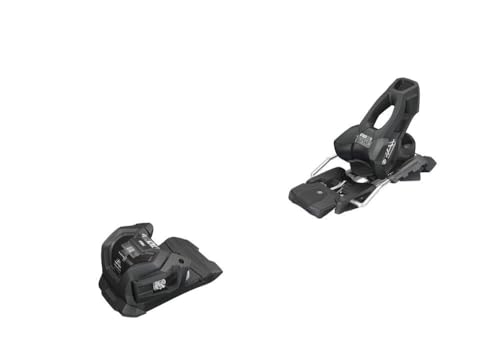 TOP CHOICEBest for park and freerideTyrolia Attack LYT 11 GW Ski BindingsView on Amazon
- 3
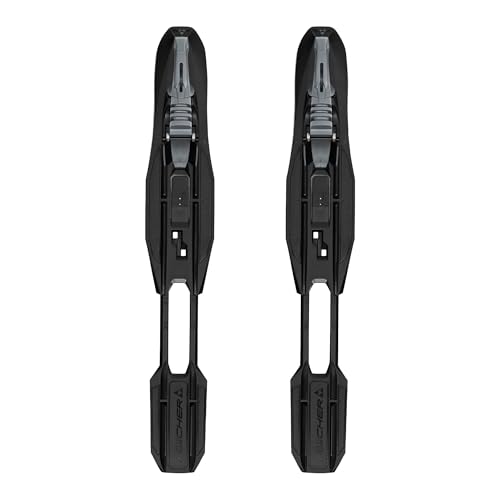 TOP CHOICEBest for cross-country touringFischer Nordic Tour Step-in IFP Cross Country Ski BindingsView on Amazon
- 4
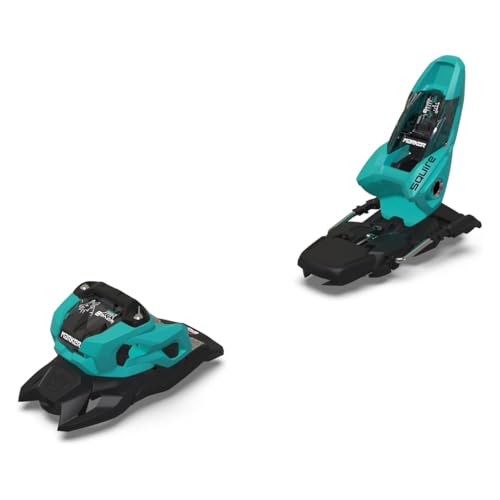 Best for a premium all-around setupMarker Squire 11 BindingsView on Amazon
- 5
 Best budget pickTeyva Daily 10 Pcs Snowboard Ski Ankle Ladder Strap BindingView on Amazon
- 6
 Best for protecting bindings in transitSki Binding Neoprene Padded Protective SleeveView on Amazon
- 7
 Best for snowboard-style bindingsRossignol Battle Snowboard BindingsView on Amazon
Our Top Picks
How we selected these picks
We compared products on four criteria: the binding type and the skiing style it targets, the DIN or release range the manufacturer publishes, the fit with common boot sole standards, and the consistency of owner feedback about mounting and adjustment. We gave weight to products from established brands with clear specification sheets, and we flagged accessories that help with care rather than presenting them as release devices.
Quick Comparison
| Product | Best for | Key feature |
|---|---|---|
| Marker Squire 10 All-Mountain Ski Bindings | All-mountain skiers | 100mm all-mountain design |
| Marker Squire 11 Bindings | Premium all-around use | Upgraded version of the Squire line |
| Tyrolia Attack LYT 11 GW Ski Bindings | Freeride and park | Lightweight freeski binding |
| Fischer Nordic Tour Step-in IFP Cross Country Ski Bindings | Nordic touring | Step-in entry with NNN sole compatibility |
| Rossignol Battle Snowboard Bindings | Snowboarders | Snowboard binding for men and women |
| Teyva Daily 10 Pcs Snowboard Ski Ankle Ladder Strap Binding | Budget strap replacements | Two sizes, anti-slip straps |
| Ski Binding Neoprene Padded Protective Sleeve | Protecting bindings in transit | Padded neoprene cover |
Marker Squire 10 All-Mountain Ski Bindings
Marker Squire 10 All-Mountain Ski Bindings, White/Anthracite, 100mm | Hit the park, land clean, and trust the Squire 10 100mm Ski Binding underfoot
Best for: All-around skiing across groomers, bumps, and variable snow.
This is a good fit for intermediate to advanced skiers who want one binding that handles most conditions. Because the release range is set by your body weight and boot, check the DIN chart before mounting to confirm it suits your profile.
Key specs
- 100mm all-mountain model
- White/anthracite colorway
Pros
- Designed for a wide range of snow conditions
- Well-known binding line from an established brand
- Suits skiers who ski both on and off piste
Cons
- Mounting is best left to a shop with the right equipment
- Less specialized than a dedicated park or racing binding
Bottom line: A strong first choice for skiers who want one reliable all-mountain binding and plan to set the DIN with a shop.
View on AmazonMarker Squire 11 Bindings
Marker Squire 11 Bindings | Why We Like The Marker Squire 11 Ski Binding
Best for: Premium all-around performance for confident skiers.
The Squire 11 sits in the same family as the Squire 10 and is aimed at skiers who want a more refined feel at speed. Owners often describe it as a choice for advanced skiers who ski hard and want a stable platform.
Key specs
- Part of the Squire all-mountain line
- Check the manufacturer sheet for release range and boot compatibility
Pros
- Suited to aggressive, high-speed skiing
- Consistent brand reputation for all-mountain bindings
- Good match for skiers moving up from a beginner binding
Cons
- Typically more binding than a beginner needs
- Requires a professional mount and DIN setting
Bottom line: Best for advanced skiers who want a premium all-around binding and are comfortable with a shop-set release value.
View on AmazonTyrolia Attack LYT 11 GW Ski Bindings
Tyrolia Attack LYT 11 GW Ski Bindings (Solid Black, 85mm) | Conquer any terrain with the lightweight and versatile Attack LYT 11 GW Freeski Bindings
Best for: Freeride, park, and lightweight touring-minded skiing. You may also like How to Tighten Ski Bindings: 3 Best Tools and Setups Compared (2026).
The Attack LYT line is aimed at skiers who want a light binding that still holds up in hard landings. It suits freeskiers who hit features and value a lower swing weight.
Key specs
- Solid black, 85mm listing
- Lightweight freeski design
Pros
- Lightweight for its class
- Versatile enough for park and off-piste use
- Clear, established brand lineage
Cons
- Not intended for beginners who ski mostly groomed runs
- Fit and DIN need to match your boot sole carefully
Bottom line: A focused choice for freeskiers who want a light binding for jumps and variable terrain.
View on AmazonFischer Nordic Tour Step-in IFP Cross Country Ski Bindings
Fischer Nordic Tour Step-in IFP Cross Country Ski Bindings, Grey | Nordic Skiing, Step-In Entry, NNN Sole Compatible
Best for: Nordic touring and cross-country skiing on groomed or backcountry trails.
Cross-country bindings work very differently from alpine bindings and do not use a DIN release. This model is aimed at skiers who want an easy step-in entry and compatibility with NNN boots.
Key specs
- Step-in IFP design
- NNN sole compatible
Pros
- Quick step-in entry
- Compatible with NNN boots
- Suits recreational and touring Nordic skiing
Cons
- Not interchangeable with alpine boots or bindings
- Needs boots and skis designed for the NNN system
Bottom line: The right pick if you ski cross-country and want an easy-entry NNN binding rather than an alpine setup.
View on AmazonRossignol Battle Snowboard Bindings
Rossignol Battle Snowboard Bindings for Men and Women – Black M/L
Best for: Snowboarders who need a men’s and women’s binding in a size M/L.
This is a snowboard binding, not an alpine ski binding, so it has no DIN setting. It is included here because many shoppers search across both categories, and it is useful to know the difference.
Key specs
- Black, size M/L
- Men’s and women’s model
Pros
- Clearly sized for common adult fit
- Established snowboard brand
- Simple, familiar design for snowboarders
Cons
- Not compatible with ski boots or alpine bindings
- No release setting, so it is not a safety binding in the ski sense
Bottom line: A snowboard choice only. Do not mix it up with an alpine ski binding that needs a DIN setting.
View on AmazonTeyva Daily 10 Pcs Snowboard Ski Ankle Ladder Strap Binding
Teyva Daily 10 Pcs Snowboard Ski Ankle Ladder Strap Binding, Multi, 2 Size | 6.9"+ 7.9", Flexible Snowboard Straps for Bindings, Anti-slip Easy to Install and Adjust for Ski Outdoor Accessories, 5 Col
Best for: Budget replacement straps and accessories for existing bindings.
This is a set of straps rather than a complete binding. It is useful if your current straps are worn, but it does not change your DIN or release behavior.
Key specs
- 10-piece set
- Two sizes listed: 6.9″ and 7.9″
- Anti-slip design
Pros
- Affordable way to replace worn straps
- Two sizes for different fit needs
- Easy to install on compatible bindings
Cons
- Not a release binding and does not set DIN
- Compatibility with your specific binding should be checked first
Bottom line: A practical budget pick for swapping straps, not for setting release values.
View on AmazonSki Binding Neoprene Padded Protective Sleeve
Ski Binding Neoprene Padded Protective Sleeve (Binding Buddy without Carrying Handle)
Best for: Protecting bindings during transport and storage.
A padded sleeve keeps bindings from scratching each other and from getting knocked during travel. It does not affect the release setting, but it helps keep bindings in good condition between seasons.
Key specs
- Neoprene padded construction
- Designed for ski bindings, no carrying handle
Pros
- Protects bindings from scratches and impacts
- Lightweight and simple to use
- Useful for travel and garage storage
Cons
- Protection only, with no effect on release
- No carrying handle
Bottom line: A worthwhile accessory for skiers who travel with their bindings, but not a substitute for a DIN check.
View on AmazonBuying Guide
Body weight and skier type
Body weight is the main input for the DIN setting. Most manufacturer charts use weight together with height and age, and they assign a lower release value to lighter or less aggressive skiers. Check the chart before you adjust anything, and be honest about your skiing ability.
Good picks for this: Marker Squire 10 All-Mountain Ski Bindings, Marker Squire 11 Bindings
Boot sole length and compatibility
The boot sole must match the binding’s range. Alpine boots use standard sole lengths, and a binding set for one range will not hold a boot outside it. Measure your sole length in millimeters and confirm it falls inside the binding’s published range before mounting.
Good picks for this: Tyrolia Attack LYT 11 GW Ski Bindings, Marker Squire 10 All-Mountain Ski Bindings
Binding type and discipline
Alpine, cross-country, and snowboard bindings are different systems. Alpine bindings use a DIN release, cross-country bindings use a step-in or NNN interface, and snowboard bindings have no release setting. Choose the category first, then compare models within it. A related read: How to Attach Ski Bindings: 5 Best Tools and Kits for Home Mounting (2026).
Good picks for this: Fischer Nordic Tour Step-in IFP Cross Country Ski Bindings, Rossignol Battle Snowboard Bindings
Use case: all-mountain, park, or touring
Park and freeride bindings are built to handle landings, while all-mountain bindings balance comfort and release across varied snow. Think about where you ski most of the time and choose the model whose design matches that terrain.
Good picks for this: Tyrolia Attack LYT 11 GW Ski Bindings, Marker Squire 11 Bindings
Durability and mounting quality
Mounting is as important as the binding itself. Improper mounting can change how the binding releases, so manufacturers recommend a qualified shop for mounting and DIN checks. Owners frequently report that professional mounting is worth the cost of the service.
Good picks for this: Marker Squire 11 Bindings, Marker Squire 10 All-Mountain Ski Bindings
Care, storage, and transport
Bindings collect grit, moisture, and dents if stored loosely. Keep them clean, dry, and protected during transport, and inspect springs and toe and heel pieces each season. A protective sleeve helps with this.
Good picks for this: Ski Binding Neoprene Padded Protective Sleeve, Teyva Daily 10 Pcs Snowboard Ski Ankle Ladder Strap Binding
Setting the DIN yourself versus at a shop
Many skiers can read a DIN chart, but the final adjustment and any release testing should be done by a certified technician. Incorrect settings can cause bindings to release too early or fail to release when needed. If you are unsure, consult a professional.
Good picks for this: Marker Squire 10 All-Mountain Ski Bindings, Tyrolia Attack LYT 11 GW Ski Bindings
FAQ
What is a DIN setting on ski bindings?
DIN is a standardized release value that determines how much force is needed before the binding releases your boot. Higher numbers mean more force is needed. Your DIN is based on your weight, height, age, boot sole length, and ability level.
How do I find my ski binding DIN if I know my weight?
Use the manufacturer’s DIN chart and match your weight along with your height, age, and skiing style. Because the chart uses several inputs, weight alone is not enough. A shop technician can confirm the setting with a release test.
Can I adjust ski bindings for weight at home?
You can read the chart and check your settings at home, but final adjustment and release testing should be done by a certified professional. Incorrect settings can affect safety. If you are unsure, consult a professional.
Do cross-country bindings have a DIN setting?
No. Cross-country bindings do not use DIN release values. They use a different system tied to the boot and binding interface, such as NNN, so they cannot be adjusted with an alpine DIN chart.
Does a higher DIN mean a safer binding?
Not automatically. A higher DIN holds the boot more firmly, but it can also prevent release when it is needed, such as in a twisting fall. The goal is the correct DIN for your profile, not the highest number.
How often should ski bindings be checked?
Manufacturers typically recommend an annual check by a qualified technician, plus a check after any significant impact or after changing boots. Inspect your bindings before each season as well.
Conclusion
Learning how to adjust ski bindings for weight starts with the DIN chart, but the final setting should always be confirmed by a professional. For most all-mountain skiers, the Marker Squire 10 is a practical place to start, while the Marker Squire 11 suits advanced skiers who want a premium feel. Freeskiers who prioritize a light binding for park and variable terrain should look at the Tyrolia Attack LYT 11 GW. Cross-country skiers need an NNN-compatible system such as the Fischer Nordic Tour Step-in IFP. Accessories like the neoprene sleeve and replacement straps support care and maintenance, but they do not change release settings.
Sources
- Consumer safety information on recreational equipment and injury prevention (cpsc.gov)
- Snow and winter recreation guidance from federal land agencies (usda.gov)
Related reading
- How to Adjust Ski Bindings: A Step-by-Step Guide for Safe Setup
- How to Adjust DIN on Ski Bindings: A Step-by-Step Guide for Beginners
- XC Ski Bindings Types: 3 Main Designs and How to Choose (2026)
- Ski and Bindings Package: How to Choose a Matched Set (2026)
- Ski Touring Skis and Bindings: How to Choose a Setup That Works (2026)
- Ski Bindings Weight Chart vs Spec Sheets: Which Should You Choose?
About Lauren Holland
Lauren Holland is part of our editorial team and reviews and edits our skiing gear & technique guides, checking product details against manufacturer specifications and owner feedback.
About the author
Lauren Holland writes reviews and buying guides for Improve Your Skiing.