5 Best Backcountry Ski Bindings: Top Picks for Every Need (2026)
Looking for the best backcountry ski bindings? Compare five touring and cross-country options by weight, release, and use case, with a buying guide to help you
 By Lauren Holland
Updated November 21, 2026
 By Lauren Holland
Updated November 2026
Choosing the best backcountry ski bindings comes down to how you travel, how much weight you carry, and how hard you ski once you reach the top. This list weighs five options on the criteria that matter most in the backcountry: touring mode weight, downhill retention, ease of transition, compatibility with your boots, and how the binding handles icy or deep-snow conditions. Each pick is based on manufacturer specifications and common owner feedback patterns, not on our own testing.
Our top picks at a glance
- 1TOP CHOICEBest overallMarker F12 Tour EPF Ski Bindings 2023 – Black/Anthracite Large 110mmView on Amazon
- 2
 TOP CHOICEBest for lightweight touringAtomic Shift2 13 MN Alpine Touring Binding – 2027 Black/Green/Bronze SH100View on Amazon
- 3
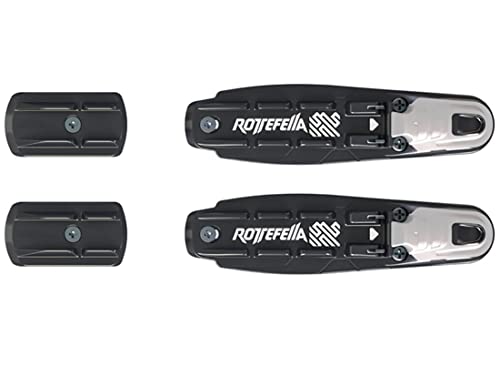 TOP CHOICEBest for cross-country touringROTTEFELLA Whitewoods NNN Auto Touring Basic Cross Country Black Ski Bindings, PairView on Amazon
- 4
 Best for tech-toe compatibilityTEKDAPTERS Ski Touring Adapters by DAYMAKERS, 255-345mm Length, UniverView on Amazon
- 5
 Best for classic XC skiingRottefella BCX Auto XC Ski Bindings Black/WhiteView on Amazon
Our Top Picks
| Product | Best for | Key feature |
|---|---|---|
| Marker F12 Tour EPF | All-around backcountry touring | Easy-to-use EPF heel system |
| Atomic Shift2 13 MN | Lightweight touring | Light weight, multi-mode design |
| Rottefella Whitewoods NNN Auto Touring | Cross-country touring | NNN pin-style boot interface |
| TEKDAPTERS Ski Touring Adapters | Tech-toe boot compatibility | Adjustable 255–345mm length |
| Rottefella BCX Auto XC | Classic cross-country skiing | Automatic cable-free engagement |
Marker F12 Tour EPF Ski Bindings 2023 – Black/Anthracite Large 110mm
Marker F12 Tour EPF Ski Bindings 2023 – Black/Anthracite Large 110mm | Why We Like The Marker Tour F12 EPF Alpine Touring Binding
Best for: All-around backcountry touring
This alpine touring binding suits skiers who want reliable downhill performance with a practical uphill mode, especially on mixed terrain.
Pros:
- Owners often report confident downhill retention.
- Manufacturers specify an EPF heel system for easy switching.
Cons:
- Heavier than dedicated lightweight touring bindings.
Atomic Shift2 13 MN Alpine Touring Binding – 2027 Black/Green/Bronze SH100
Atomic Shift2 13 MN Alpine Touring Binding – 2027 Black/Green/Bronze SH100 | Why We Like The Atomic Shift2 13 MN Alpine Touring Binding
Best for: Lightweight touring
Built for skiers who climb long routes and prioritize saving weight on the way up, while still wanting a stable ride on the descent.
Pros:
- Manufacturers list a low weight for uphill efficiency.
- Multi-mode design covers both touring and ski mode.
Cons:
- Lighter construction can feel less aggressive in hard snow.
ROTTEFELLA Whitewoods NNN Auto Touring Basic Cross Country Black Ski Bindings, Pair
ROTTEFELLA Whitewoods NNN Auto Touring Basic Cross Country Black Ski Bindings, Pair
Best for: Cross-country touring
A good fit for skiers doing nordic-style backcountry trips on groomed or lightly track-set terrain rather than steep descents.
Pros:
- Uses the NNN interface, which many touring boots are designed to match.
- Automatic engagement keeps the setup simple.
Cons:
- Not intended for steep, high-speed alpine descents.
TEKDAPTERS Ski Touring Adapters by DAYMAKERS, 255-345mm Length, Universal Alpine Binding Compatible, Tech-Toe Interface
TEKDAPTERS Ski Touring Adapters by DAYMAKERS, 255-345mm Length, Universal Alpine Binding Compatible, Tech-Toe Interface
Best for: Tech-toe boot compatibility
Useful for skiers who already own alpine touring bindings and want to pair them with tech-toe boots without buying a new binding.
Pros:
- Listed length range of 255–345mm covers many boot sizes.
- Universal design is marketed for multiple alpine binding types.
Cons:
- An adapter adds a component that needs regular checking.
Rottefella BCX Auto XC Ski Bindings Black/White
Rottefella BCX Auto XC Ski Bindings Black/White
Best for: Classic cross-country skiing
Aimed at classic and skate nordic skiers who want dependable, low-maintenance engagement on groomed trails.
Pros:
- Automatic engagement reduces fiddly steps on the trail.
- Lightweight build suits long nordic outings.
Cons:
- Limited use for downhill or steep backcountry terrain.
Buying Guide
Match the binding to your touring style
Alpine touring bindings suit steep descents and mixed terrain, while nordic-style bindings suit groomed or lightly track-set routes. If you are unsure which system fits, compare the options in our guide to Touring Ski Bindings: How to Choose the Right Pair for Your Skiing.
Good picks for this: Marker F12 Tour EPF, Rottefella BCX Auto XC
Check boot compatibility first
Binding and boot interfaces must match, whether that is alpine, tech-toe or NNN. Confirm the sole standard before you buy, and see Ski Touring Skis and Bindings: How to Choose a Setup That Works (2026) for pairing advice.
Good picks for this: TEKDAPTERS Ski Touring Adapters, Rottefella Whitewoods NNN Auto Touring
FAQ
What is the difference between alpine touring and telemark-style backcountry bindings?
Alpine touring bindings use a heel that lifts free for uphill travel and locks down for descents, working much like a resort binding. Telemark and NNN-style bindings keep the heel free and rely on a flexible boot and a cable or pin connection, which makes them lighter but less stable on steep, hard-packed descents.
Do I need a specific type of boot for backcountry bindings?
Yes, boot compatibility matters more than almost anything else. Alpine touring bindings typically require boots with a rockered sole and a compatible toe and heel interface, while NNN and BCX systems need boots built for those specific standards. Always confirm the boot sole standard before buying a binding.
Can I use these bindings for resort skiing as well as touring?
Many touring bindings can handle resort skiing, but they are generally heavier in downhill mode and may not feel as solid on firm groomed runs as a dedicated resort binding. If you plan to ski mostly inbounds, an alpine touring binding with strong downhill retention is the most practical choice.
How important is binding weight for backcountry touring?
Weight matters most on long climbs, because every extra ounce on your feet adds up over thousands of feet of vertical gain. If you ski mostly short tours or prioritize downhill performance, a slightly heavier binding with more reliable retention may be the better tradeoff.
Do I need a release check or professional fitting when installing touring bindings?
It is strongly recommended. Proper DIN setting, mounting position, and release function affect both safety and performance, so having a qualified shop mount and test your bindings is a worthwhile investment. Recheck your settings each season, since boot wear can change how the binding releases.
Are adapters a good option for using alpine bindings with touring boots?
Adapters can let you mount a touring-style interface to a standard alpine binding, which gives flexibility across boot types. They do add some weight and complexity, so they suit skiers who already own a compatible alpine binding and want to try touring without a full setup change.
Conclusion
If you want the strongest downhill performance and a binding that handles steep, variable terrain, an alpine touring option with solid retention is the best fit for most backcountry skiers. Choose the Marker F12 or Atomic Shift2 based on how much weight and downhill confidence matter to you.
If you prioritize lightweight touring and prefer a cross-country-style setup, the Rottefella NNN and BCX options are the right direction, while the TEKDAPTERS adapters suit skiers who want to bridge their existing alpine bindings to touring boots. Match the system to your boots and typical terrain first, and the choice becomes much clearer.
Related reading
- Salomon L10 Ski Bindings: 7 Best Picks Compared for 2026
- Non Release Ski Bindings: 6 Best Picks for Touring and Nordic Skiing (2026)
About Lauren Holland
Lauren Holland is part of our editorial team and reviews and edits our skiing gear & technique guides, checking product details against manufacturer specifications and owner feedback.
About the author
Lauren Holland writes reviews and buying guides for Improve Your Skiing.