How to Attach Ski Bindings: 5 Best Tools and Kits for Home Mounting (2026)
Learn how to attach ski bindings at home with the right drill bit, brake retainers and binding options. Compare five picks and see what matters before you mount
 By Lauren Holland
Updated November 21, 2026
 By Lauren Holland
Updated November 2026
Knowing how to attach ski bindings correctly matters because a binding that is mounted off-center or with the wrong drill bit can affect release performance and retention. This list covers the tools and binding options that owners most often mention when they mount a pair at home, with the criteria we used: drill bit fit and included hole plugs, binding compatibility with the ski type, brake retainer security, and how well each binding suits the skier’s terrain.
Our top picks at a glance
- 1TOP CHOICEBest overallProSSS Ski Binding Drill Bit 3.5 x 9.5mmView on Amazon
- 2
 TOP CHOICEBest for brake storageSki Brake Retainer Strap-Universal, 6 PackView on Amazon
- 3
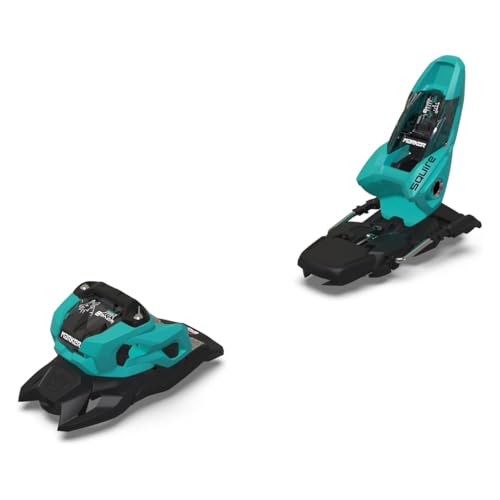 TOP CHOICEBest for all-mountain skiingMarker Squire 11 BindingsView on Amazon
- 4
 Best for boot strapsTeyva Daily Snowboard Ski Ankle Ladder StrapView on Amazon
- 5
 Best for park and freestyleMarker Squire 10 All-Mountain Ski Bindings, 100mmView on Amazon
Our Top Picks
Quick Comparison
| Product | Best for | Key feature |
|---|---|---|
| ProSSS Ski Binding Drill Bit | Drilling mounting holes | Includes 30+ hole plugs |
| Ski Brake Retainer Strap, 6 Pack | Holding brakes up | Hook and loop closure |
| Marker Squire 11 Bindings | All-mountain skiing | Versatile release range |
| Teyva Daily Ankle Ladder Strap | Boot-to-binding straps | Two adjustable sizes |
| Marker Squire 10 Bindings | Park and freestyle | 100mm all-mountain build |
ProSSS Ski Binding Drill Bit 3.5 x 9.5mm
ProSSS Ski Binding Drill Bit 3.5 x 9.5mm, M2 High-Speed Steel Mounting Bit for Ski Bindings, Includes 30+ Binding Hole Plugs, Compatible with Alpine/Telemark/Touring Skis
Best for: Drilling mounting holes for a home binding install.
This M2 high-speed steel bit is listed for alpine, telemark and touring skis, and it comes with more than 30 hole plugs for correcting misplaced holes. It suits skiers who are mounting their own bindings and want a single bit for the job.
Pros
- Listed for multiple ski types
- Includes spare hole plugs
Cons
- Drilling accuracy depends entirely on the user’s marking and jig work
Ski Brake Retainer Strap-Universal, 6 Pack
Ski Brake Retainer Strap-Universal Ski Binding Retainers with Hook and Loop | Adjustable Polypropylene Long Binding Brake Retainer Bands For Skis Waxing & Tuning To Hold Brakes Securely Out 6 Pack
Best for: Keeping brakes secured during waxing and tuning.
These adjustable polypropylene bands with hook and loop closure hold ski brakes in the up position while the skis are being worked on. Owners often report they are a simple, low-cost way to keep brakes out of the way.
Pros
- Adjustable fit for different brake sizes
- Six per pack for multiple pairs
Cons
- Straps can wear out with frequent use
Marker Squire 11 Bindings
Marker Squire 11 Bindings | Why We Like The Marker Squire 11 Ski Binding
Best for: All-mountain skiing on mixed terrain.
This Marker model is aimed at skiers who want one binding that handles groomers, trees and variable snow. It fits skiers who ski most of the mountain and want a stable, predictable platform.
Pros
- Well-established brand with a broad model line
- Suited to varied all-mountain conditions
Cons
- Requires proper DIN setting and mounting to perform as intended
Teyva Daily Snowboard Ski Ankle Ladder Strap
Teyva Daily 10 Pcs Snowboard Ski Ankle Ladder Strap Binding, Multi, 2 Size | 6.9"+ 7.9", Flexible Snowboard Straps for Bindings, Anti-slip Easy to Install and Adjust for Ski Outdoor Accessories, 5 Col
Best for: Adding boot-to-binding straps and ankle retention accessories.
This set of ten flexible straps comes in two sizes, 6.9 and 7.9 inches, and is marketed for quick installation and adjustment. It suits users who need replacement or extra strap hardware for their setup.
Pros
- Two length options
- Ten pieces in the set
Cons
- Generic accessory fit may not match every binding model
Marker Squire 10 All-Mountain Ski Bindings, 100mm
Marker Squire 10 All-Mountain Ski Bindings, White/Anthracite, 100mm | Hit the park, land clean, and trust the Squire 10 100mm Ski Binding underfoot
Best for: Park and freestyle skiing with an all-mountain feel.
The 100mm version is marketed for landing cleanly in the park while still handling general all-mountain runs. It fits skiers who spend time in terrain parks and want a binding that holds up to jumps and landings.
Pros
- Designed for park and all-mountain use
- Available in a 100mm version
Cons
- Less specialized for deep powder than dedicated touring or powder bindings
Buying Guide
Drill Bit Size and Hole Compatibility
Match the bit diameter to the binding’s mounting hole spec before drilling. Manufacturers specify exact hole sizes, and a bit that is too large will weaken the insert.
Ski Type and Binding Design
Alpine, telemark and touring skis use different mounting patterns. Confirm the binding is compatible with your ski before buying.
Brake Storage During Work
Brakes that are left down can catch on the bench or other skis during tuning. Retainer straps keep them out of the way.
Terrain and Skiing Style
All-mountain bindings handle a wide mix of snow, while park-oriented models are built for landings. Choose based on where you ski most.
Good picks for this: Marker Squire 11 Bindings, Marker Squire 10 All-Mountain Ski Bindings
FAQ
Can I mount ski bindings at home without a professional?
Many skiers mount bindings at home using a drill bit sized for the binding’s insert holes and a careful layout. Accuracy matters, though, because a binding mounted off-center can affect how the binding releases and how the ski performs. If you are unsure about the layout or the binding’s specifications, a shop tune-up is a safer choice.
Why does the drill bit size matter so much?
The drill bit needs to match the binding’s insert holes so the inserts seat firmly and hold under load. A bit that is too small can damage the core, while one that is too large can leave the insert loose. Always confirm the required diameter and depth from the binding manufacturer’s instructions before drilling.
What are hole plugs used for?
Hole plugs fill old or unused mounting holes so moisture cannot reach the core and the ski keeps its structural integrity. They are useful when you remount bindings or adjust their position on the same ski. Keeping unused holes sealed helps extend the life of the ski.
Do I need a brake retainer strap if my skis already have brakes?
Brake retainers hold the brakes up and out of the way when you are waxing, tuning, or transporting skis. Without one, the brakes can catch on things or get damaged during storage. A retainer is a simple accessory that protects the brakes and keeps your gear tidy.
How do I choose between alpine and touring bindings?
Alpine bindings are designed mainly for downhill skiing at resorts, while touring bindings allow a free heel for uphill travel and backcountry use. Think about where and how you ski most often before choosing. The binding design should match the type of skis and the terrain you plan to cover.
Should I have bindings checked after mounting them?
It is a good idea to have a qualified technician check the release settings and DIN value after mounting, even if you mounted the bindings yourself. A shop can confirm that the binding is set correctly for your weight, height, and boot size. This step helps make sure the binding will release as intended when you fall.
Conclusion
If you are mounting bindings on a standard alpine ski, a properly sized drill bit with included hole plugs gives you the core tools you need, and a brake retainer keeps your brakes protected during tuning and storage. Skiers who want a reliable all-mountain or park setup should consider a Marker Squire binding, choosing the 100mm model that best fits their ski and style.
For a beginner or occasional skier, a simple setup with a good drill bit and a retainer strap is usually enough, while frequent or advanced skiers should weigh binding design and terrain fit more carefully. Whichever option you choose, double-check the layout and have the release settings confirmed before you hit the slopes.
Related reading
- XC Ski Bindings Types: 3 Main Designs and How to Choose (2026)
- Ski and Bindings Package: How to Choose a Matched Set (2026)
- Ski Touring Skis and Bindings: How to Choose a Setup That Works (2026)
- Ski Bindings Size Guide: How to Match DIN and Boot Sole Length
About Lauren Holland
Lauren Holland is part of our editorial team and reviews and edits our skiing gear & technique guides, checking product details against manufacturer specifications and owner feedback.
About the author
Lauren Holland writes reviews and buying guides for Improve Your Skiing.