6 Best Types of Ski Bindings for Every Skier (2026)
Compare the main types of ski bindings, from alpine and touring to cross-country and freeride. Find the right pick for your skiing style and boots today.
 By Lauren Holland
Updated November 21, 2026
 By Lauren Holland
Updated November 2026
Choosing among the main type of ski bindings can feel confusing because every style promises more control, more safety or more freedom in the backcountry. The right choice depends on your boot sole, your terrain, how aggressively you ski and whether you plan to tour uphill. This list compares six widely sold options by fit with those criteria, not by lab scores or sales rankings.
Our top picks at a glance
- 1TOP CHOICEBest overallMarker Griffon 13 Ski BindingsView on Amazon
- 2
 TOP CHOICEBest for aggressive alpine skiingTyrolia Attack 14 GripWalk Alpine Ski BindingsView on Amazon
- 3
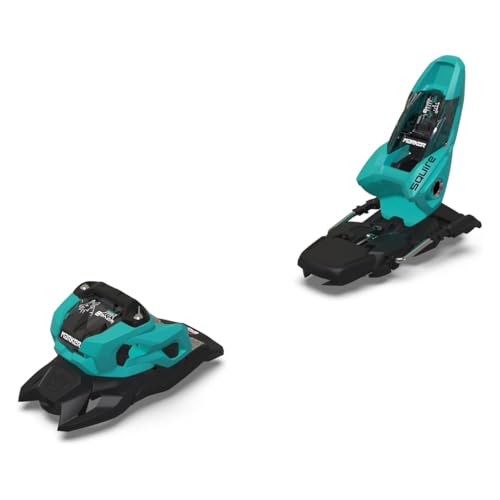 TOP CHOICEBest for touringMarker Squire 11 BindingsView on Amazon
- 4
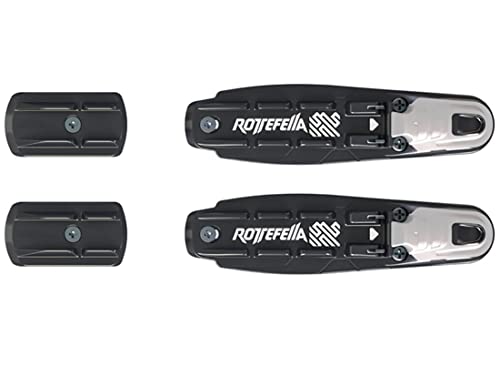 Best for cross-country skiingROTTEFELLA Whitewoods NNN Auto Touring Basic Cross Country Black Ski Bindings, PairView on Amazon
- 5
 Best for snowboard-style ridersRossignol Battle Snowboard Bindings for Men and Women – Black M/LView on Amazon
- 6
 Best for mounting DIYProSSS Ski Binding Drill Bit 3.5 x 9.5mmView on Amazon
Our Top Picks
| Product | Best for | Key feature |
|---|---|---|
| Marker Griffon 13 Ski Bindings | All-round freeride | Energy-absorbing retention |
| Tyrolia Attack 14 GripWalk Alpine Ski Bindings | Aggressive alpine skiing | 4–14 DIN range |
| Marker Squire 11 Bindings | Backcountry touring | Lightweight uphill mode |
| ROTTEFELLA Whitewoods NNN Auto Touring Basic Cross Country Black Ski Bindings | Cross-country skiing | NNN boot compatibility |
| Rossignol Battle Snowboard Bindings | Snowboard-style riding | Soft, adjustable straps |
| ProSSS Ski Binding Drill Bit | Mounting and remounting | High-speed steel bit |
Marker Griffon 13 Ski Bindings
Marker Griffon 13 Ski Bindings – Unisex Adult Compact Durable Freestyle Freeride Skiing Bindings – Energy-Absorbing Retention, Universal Boot Sole Compatibility, Black/Red, 90mm
Best for: All-round freeride
This suits skiers who want one binding for groomers, powder and park days, and who ride a wide range of boot soles.
Pros
- Manufacturer specifies energy-absorbing retention
- Owners often report broad boot sole compatibility
Cons
- Heavier than dedicated touring models
Tyrolia Attack 14 GripWalk Alpine Ski Bindings
Tyrolia Attack 14 GripWalk Alpine Ski Bindings (Solid Black, 95mm) | Attack 14 GW Binding delivers reliable power transfer and a 4–14 DIN range for aggressive freeriding
Best for: Aggressive alpine skiing
This is aimed at strong, fast skiers who want firm power transfer and a DIN range that covers heavier riders.
Pros
- Manufacturer lists a 4–14 DIN range
- GripWalk soles are designed for easier walking in boots
Cons
- Not intended for uphill touring
Marker Squire 11 Bindings
Marker Squire 11 Bindings | Why We Like The Marker Squire 11 Ski Binding
Best for: Backcountry touring
This is for skiers who climb under their own power and then want reliable release on the descent.
Pros
- Manufacturer positions it for lightweight touring
- Owners often praise the simple uphill-to-downhill switch
Cons
- Less suited to heavy resort aggression
ROTTEFELLA Whitewoods NNN Auto Touring Basic Cross Country Black Ski Bindings, Pair
ROTTEFELLA Whitewoods NNN Auto Touring Basic Cross Country Black Ski Bindings, Pair
Best for: Cross-country skiing
This fits skiers using NNN-compatible cross-country boots who want an automatic, low-profile binding for groomed trails.
Pros
- Manufacturer specifies NNN boot compatibility
- Simple automatic engagement for daily trail use
Cons
- Not designed for alpine or downhill use
Rossignol Battle Snowboard Bindings for Men and Women – Black M/L
Rossignol Battle Snowboard Bindings for Men and Women – Black M/L
Best for: Snowboard-style riding
This is for riders who want a soft, forgiving strap binding and a flexible feel, usually on a board rather than skis.
Pros
- Listing offers a unisex M/L size range
- Owners often report comfortable, easy-to-adjust straps
Cons
- Designed for snowboards, not ski boots
ProSSS Ski Binding Drill Bit 3.5 x 9.5mm
ProSSS Ski Binding Drill Bit 3.5 x 9.5mm, M2 High-Speed Steel Mounting Bit for Ski Bindings, Includes 30+ Binding Hole Plugs, Compatible with Alpine/Telemark/Touring Skis
Best for: Mounting and remounting
This is a tool, not a binding, for those who mount or swap bindings at home and need the correct hole size.
Pros
- Manufacturer lists M2 high-speed steel construction
- Includes binding hole plugs for repositioning
Cons
- Requires care and the right drill to avoid stripping holes
Buying Guide
Match the Boot Sole Standard
Alpine bindings need alpine (DIN/ISO) boot soles, while touring and cross-country bindings use their own standards. Check the sole type before anything else, because a mismatch can prevent a safe release.
FAQ
What are the main types of ski bindings?
The main types are alpine (downhill) bindings, touring or AT bindings for backcountry uphill travel, cross-country bindings such as NNN systems, telemark bindings with a free heel, and snowboard bindings used on specific snowboard setups. Each type is built for a different boot and terrain combination. Matching the binding style to your boot and skiing goals matters more than brand.
How do I know which boot sole my binding needs?
Check the sole of your boot for the standard it is designed for, such as alpine DIN-compatible soles, Alpine Touring soles, or NNN and similar cross-country soles. Bindings are typically labeled with the sole standards they accept. Using a boot with the wrong sole can prevent the binding from releasing or locking properly.
Do I need a DIN setting on my bindings?
Alpine bindings use a DIN setting that controls how much force is needed for the binding to release during a fall. The right setting depends on your weight, height, boot sole length and skiing ability. Many skiers have a shop or certified technician set and test the DIN to ensure it is correct for them.
Can I use a touring binding for resort skiing?
Touring bindings can be used at the resort, but they are usually heavier on the descent and may feel less stable on hard, fast runs than dedicated alpine bindings. They are best suited to skiers who plan to climb uphill regularly. If you ski mainly on groomed resort terrain, an alpine binding is typically the better fit.
Do I need a special drill bit to mount bindings?
Yes, mounting most bindings requires drilling precise holes in the ski, and a correct bit helps avoid damaging the core. A specialized binding drill bit made for ski mounting is the safer choice over a general-purpose bit. If you are unsure, have a ski shop or professional handle the mounting.
Should I have bindings mounted by a professional?
Professional mounting is strongly recommended, especially for alpine and touring bindings where placement and release settings affect safety. A technician can check the boot fit, mounting position and release values. Doing it yourself is possible for some skiers, but errors can be costly or dangerous.
Conclusion
If you want one versatile option for everyday resort and freeride skiing, the Marker Griffon 13 is a practical starting point for a wide range of skiers. Aggressive alpine skiers who push hard on firm snow should look at the Tyrolia Attack 14, while those who climb uphill regularly will be better served by the Marker Squire 11 touring binding.
Cross-country skiers should choose the ROTTEFELLA Whitewoods NNN system to match their boot, and snowboard-style setups call for the Rossignol Battle bindings. Whatever you choose, confirm your boot sole compatibility and have your bindings mounted and set by a qualified professional.
Related reading
- XC Ski Bindings Types: 3 Main Designs and How to Choose (2026)
- Types of Cross Country Ski Bindings: A Guide to Pin, Cable and NNN Systems
- Bear Trap Ski Bindings: 5 Best Picks for Every Skier Type
- Why Does My Walk to Ride Ski Binding Keep Failing? Causes and Fixes
- Why Do Ski Bindings With Heel Release Matter? Causes and Fixes
About Lauren Holland
Lauren Holland is part of our editorial team and reviews and edits our skiing gear & technique guides, checking product details against manufacturer specifications and owner feedback.
About the author
Lauren Holland writes reviews and buying guides for Improve Your Skiing.