5 Best Multi Norm Ski Bindings for Alpine and Touring Skiing (2026)
Compare 5 of the best multi norm ski bindings for alpine and touring use. See key specs, pros, cons and who each binding suits before you buy.
 By Lauren Holland
Updated November 22, 2026
 By Lauren Holland
Updated November 2026
Shopping for multi norm ski bindings means balancing two things: a binding that releases safely for your boots and skiing style, and one that works across the boot standards you might use over the next few seasons. This list is built from manufacturer specifications, the reputation of each brand, and the patterns owners commonly describe in their feedback. We focused on DIN range, boot compatibility, weight, touring versus alpine intent, and how well each model suits a particular skier. None of these picks were tested by us; the notes below reflect published information and general owner feedback.
Our top picks at a glance
- 1TOP CHOICEBest overallAtomic Shift2 13 MN Alpine Touring BindingView on Amazon
- 2
 TOP CHOICEBest for lightweight touringAtomic Shift2 10 MN Touring Ski BindingsView on Amazon
- 3
 TOP CHOICEBest for alpine-leaning skiersATOMIC N Shift 13 MNC BindingsView on Amazon
- 4
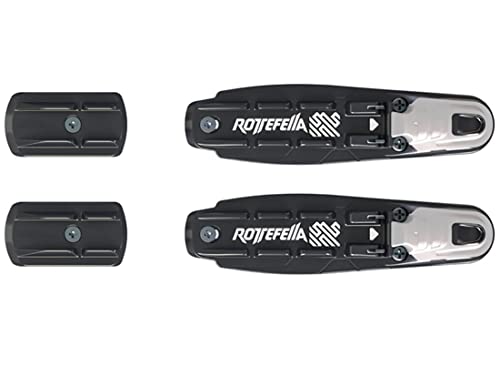 Best budget pickROTTEFELLA Whitewoods NNN Auto Touring Basic Cross Country Black Ski BindingsView on Amazon
- 5
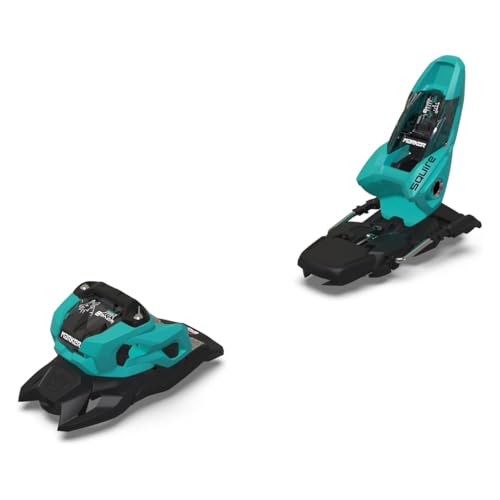 Best for a classic all-round setupMarker Squire 11 BindingsView on Amazon
Our Top Picks
Quick Comparison
| Product | Best for | Key feature |
|---|---|---|
| Atomic Shift2 13 MN Alpine Touring Binding | Strong skiers who want one binding for uphill and downhill | Higher DIN range with multi-norm boot compatibility |
| Atomic Shift2 10 MN Touring Ski Bindings | Lightweight touring and backcountry days | Lower profile chassis and lighter build |
| ATOMIC N Shift 13 MNC Bindings | Alpine-leaning skiers on groomed and resort terrain | Multi-norm compatibility with a sturdier downhill feel |
| ROTTEFELLA Whitewoods NNN Auto Touring Basic Cross Country Black Ski Bindings | Budget-minded nordic and light touring use | Simple NNN system with automatic step-in |
| Marker Squire 11 Bindings | Everyday all-mountain skiing with a traditional feel | Established design with a broad boot range |
Atomic Shift2 13 MN Alpine Touring Binding
Shift2 13 MN Alpine Touring Binding – 2025, Black/Green/Bronze, SH110 | Why We Like The Atomic Shift2 13 MN Alpine Touring Binding
Best for: Strong skiers who want one binding for uphill and downhill
This model suits skiers who tour in the backcountry but also ski firm, fast resort snow. The higher DIN range gives room for aggressive skiing, and the multi-norm design is meant to accept several boot sole standards.
Key specs
- Listed as an alpine touring binding with a 13 MN designation
- Compatible with the SH110 standard for touring boots, as shown in the listing
- Multi-norm boot sole compatibility
Pros
- Higher release range suits powerful skiers
- Single binding covers both touring and downhill use
- Multi-norm design gives flexibility across boot sole types
Cons
- Heavier than dedicated lightweight touring bindings
- Overkill for lighter skiers who never push the release range
Bottom line: A strong pick for skiers who want one binding for both touring and resort days. Lighter or recreational skiers may find the weight and release range more than they need.
View on AmazonAtomic Shift2 10 MN Touring Ski Bindings
Atomic Shift2 10 MN Touring Ski Bindings, Black/Bronze, SH110 | DIN 3-10, Composite/Aluminum, Hike & Ride Switch, Micro AFD, Low Profile Chassis, Crampon Compatible, Backcountry
Best for: Lightweight touring and backcountry days
This is the lighter sibling in the Shift2 line, aimed at skiers who spend long days climbing and want less weight on their feet. The listing describes a composite and aluminum build with a low profile chassis.
Key specs
- DIN range of 3 to 10, as stated in the listing
- SH110 boot standard compatibility
- Crampon compatible and listed for hike and ride switching
Pros
- Lower weight suits long uphill days
- Low profile chassis improves boot-to-ski feel
- Crampon compatibility adds mountaineering options
Cons
- The lower DIN range is not suited to aggressive downhill skiing
- Owners who ski hard at speed may want a higher release setting
Bottom line: The right choice for skiers who prioritize climbing efficiency over high-speed downhill performance.
View on AmazonATOMIC N Shift 13 MNC Bindings
ATOMIC N Shift 13 MNC Bindings, Adult Unisex, Black/Gold (Black) One Size
Best for: Alpine-leaning skiers on groomed and resort terrain
This binding leans toward the downhill side of the Shift family. It suits skiers who spend most of their time on lifts and want the option to tour occasionally without changing their whole setup.
Key specs
- 13 MNC designation in the listing name
- Designed for multi-norm boot compatibility
- One size listed for the binding unit
Pros
- Downhill-oriented feel suits resort skiing
- Multi-norm design accommodates different boot soles
- Established product line with broad owner familiarity
Cons
- Heavier than dedicated touring models
- Less suited to frequent uphill travel
Bottom line: A practical choice for resort-focused skiers who want the flexibility of a multi-norm binding without committing to a full touring setup.
View on AmazonROTTEFELLA Whitewoods NNN Auto Touring Basic Cross Country Black Ski Bindings
ROTTEFELLA Whitewoods NNN Auto Touring Basic Cross Country Black Ski Bindings, Pair
Best for: Budget-minded nordic and light touring use
This is a cross-country binding using the NNN system. It is aimed at skiers who want simple, light gear for groomed trails and easy touring, and who do not need the release values of an alpine binding.
Key specs
- NNN cross-country system, as stated in the listing
- Sold as a pair
- Automatic step-in design listed in the name
Pros
- Light and simple to use on groomed trails
- Automatic step-in saves time on the trail
- Suits skiers building a nordic setup on a modest budget
Cons
- Not an alpine or multi-norm downhill binding and does not provide DIN release
- Limited use for aggressive downhill or backcountry descents
Bottom line: A sensible pick for nordic skiers who want a light, simple NNN binding. Do not use it as a substitute for an alpine multi-norm binding.
View on AmazonMarker Squire 11 Bindings
Marker Squire 11 Bindings | Why We Like The Marker Squire 11 Ski Binding
Best for: Everyday all-mountain skiing with a traditional feel
Marker is a long-established binding maker, and the Squire line is positioned for skiers who want a dependable, familiar binding for resort skiing with a traditional feel.
Key specs
- Marker Squire 11 model name as listed
- Designed for standard alpine ski use
- Check the listing for boot compatibility before buying
Pros
- Established brand reputation in alpine bindings
- Suits everyday all-mountain skiing
- Traditional feel many skiers find predictable
Cons
- Less focused on touring compared with the Atomic touring models
- Confirm multi-norm boot compatibility before purchasing
Bottom line: A solid choice for skiers focused on resort and all-mountain use who value a well-known brand.
View on AmazonBuying Guide
Boot sole compatibility
Multi-norm bindings are designed to accept more than one boot sole standard, commonly alpine (ISO 5355), touring (ISO 9523) and walk-to-ride types. Check the listed standards against your boot soles before buying, and confirm that the binding fits the exact boot model you own, since sole length and toe and heel shape also matter.
Good picks for this: Atomic Shift2 13 MN Alpine Touring Binding, ATOMIC N Shift 13 MNC Bindings
DIN range and release settings
The DIN value controls when the binding releases in a fall. Heavier and more aggressive skiers typically need higher settings, while lighter skiers need lower ones. Check the binding’s DIN range and make sure it covers the setting your bootfitter or the DIN chart recommends for your height, weight, age and skiing ability. Consult a qualified bootfitter or ski shop technician when setting release values, since incorrect settings raise injury risk.
Good picks for this: Atomic Shift2 10 MN Touring Ski Bindings, Atomic Shift2 13 MN Alpine Touring Binding
Weight and touring intent
Every extra gram on your feet adds up on a long climb. If you plan to skin uphill for hours, a lighter binding with a low profile chassis will feel noticeably different from a heavier downhill-oriented model. Decide whether touring is a regular part of your skiing before you buy.
Good picks for this: Atomic Shift2 10 MN Touring Ski Bindings, Marker Squire 11 Bindings
Alpine versus nordic systems
Multi-norm alpine bindings and NNN nordic bindings are not interchangeable. NNN bindings use a different boot and binding interface and do not provide downhill release values. If you ski groomed trails with a nordic setup, a cross-country binding makes sense. If you ski lifts or steep terrain, an alpine multi-norm binding is the appropriate category.
Good picks for this: ROTTEFELLA Whitewoods NNN Auto Touring Basic Cross Country Black Ski Bindings
Mounting and compatibility with your skis
Bindings must be mounted to manufacturer specifications on the correct ski, and mounting position matters for balance and performance. Many shops handle mounting, and some brands publish mounting guides. Check that the binding’s mounting pattern and your ski’s inserts match before you buy.
Good picks for this: Marker Squire 11 Bindings, ATOMIC N Shift 13 MNC Bindings
Durability and maintenance
Inspect bindings each season for worn pins, cracked housings, loose screws and damaged toe and heel pieces. Clean grit and snow from moving parts and check that the release mechanism operates smoothly. Owners often report that regular inspection extends binding life and catches problems early.
Good picks for this: Marker Squire 11 Bindings, Atomic Shift2 13 MN Alpine Touring Binding
Fit for your skiing style
Think about where you ski most. Resort skiers, touring skiers and nordic skiers have different needs, and a binding designed for one may feel wrong for another. Match the binding to your main use, not to a single trip you might take someday.
Good picks for this: ATOMIC N Shift 13 MNC Bindings, ROTTEFELLA Whitewoods NNN Auto Touring Basic Cross Country Black Ski Bindings
FAQ
What does multi norm mean on a ski binding?
Multi-norm bindings are designed to accept more than one boot sole standard, such as alpine and touring soles. This gives flexibility if you switch between boot types, but you should still confirm compatibility with your specific boots.
Can I use any boot with a multi-norm binding?
No. Check the binding’s listed standards against your boot soles, including length, toe and heel shape. Consult a bootfitter if you are unsure.
How do I know which DIN setting to use?
DIN settings depend on your height, weight, age, boot sole length and skiing ability. Many shops use a DIN chart as a starting point, but a qualified technician should confirm the setting for you.
Are touring bindings suitable for resort skiing?
Many touring bindings work well for resort skiing, especially those with higher DIN ranges. Owners often note that lighter touring models feel less stable at high speed than heavier downhill bindings.
Do NNN bindings work for downhill skiing?
No. NNN is a nordic cross-country system and does not provide the release values needed for alpine downhill skiing.
How often should I have my bindings checked?
Have bindings inspected and their DIN settings checked at least once a season, and after any hard fall or significant impact. A qualified shop technician can test release function.
Conclusion
For a single binding that covers both touring and resort skiing, the Atomic Shift2 13 MN Alpine Touring Binding is the most versatile option in this list. Skiers who prioritize light weight for long climbs should look at the Atomic Shift2 10 MN Touring Ski Bindings. Resort-focused skiers may prefer the ATOMIC N Shift 13 MNC Bindings or the Marker Squire 11 Bindings. If you ski groomed nordic trails on a budget, the ROTTEFELLA NNN binding fits that need. Match the choice to where you ski most, and confirm boot compatibility and DIN settings before you buy.
Sources
- International standards for ski binding and boot interfaces, including sole standards referenced by multi-norm designs
- Consumer safety guidance on ski equipment and injury prevention (cpsc.gov)
- Industry guidance on ski binding safety, maintenance and release settings
Related reading
- XC Ski Bindings Types: 3 Main Designs and How to Choose (2026)
- Why Does My Walk to Ride Ski Binding Keep Failing? Causes and Fixes
- Why Do Ski Bindings With Heel Release Matter? Causes and Fixes
- Which Drill Bit for Ski Bindings Should You Use? A Quick Guide
- What Is DIN on Ski Bindings? 6 Best Options Compared (2026)
- What Are 3 Pin Ski Bindings and Are They Still Worth Using?
About Lauren Holland
Lauren Holland is part of our editorial team and reviews and edits our skiing gear & technique guides, checking product details against manufacturer specifications and owner feedback.
About the author
Lauren Holland writes reviews and buying guides for Improve Your Skiing.