What Is DIN on Ski Bindings? 6 Best Options Compared (2026)
Learn what is DIN on ski bindings, how the release value works, and compare six bindings by fit, use and skill level to choose the right setup.
 By Lauren Holland
Updated November 22, 2026
 By Lauren Holland
Updated November 2026
If you are shopping for skis or bindings, you have probably seen a number like “DIN 9” or “4–14” stamped on the heel piece and wondered what it means. Knowing what is DIN on ski bindings is the starting point for choosing a binding that releases when it should and holds when it should not. The picks below are compared on DIN range, intended terrain, skill level and how easily the binding suits a typical recreational or intermediate setup, so you can match a model to how you actually ski.
Our top picks at a glance
- 1TOP CHOICEBest overallTyrolia Attack 14 GripWalk Alpine Ski BindingsView on Amazon
- 2
 TOP CHOICEBest for aggressive freerideTyrolia Attack LYT 11 GW Ski BindingsView on Amazon
- 3
 TOP CHOICEBest for all-mountain skis with a DIN settingMarker Griffon 13 ID Ski Bindings 2026View on Amazon
- 4
 Best for a complete ski packageAtomic Redster Q6 Men's Skis w/ 12 DIN BindingsView on Amazon
- 5
 Best for snowboardersRossignol Battle Snowboard BindingsView on Amazon
- 6
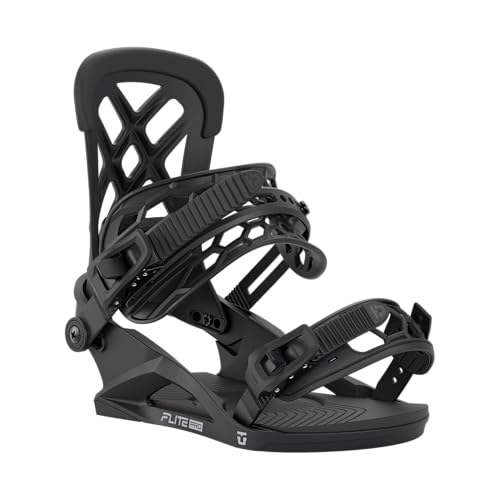 Best budget-minded snowboard optionUnion Flite Pro Men's Snowboard BindingsView on Amazon
Our Top Picks
Each product below was chosen on the basis of manufacturer specifications, brand reputation and the patterns owners tend to report in their feedback. These are not hands-on test results. Read the specs, then confirm the fit against your boot sole length and your own skill level before buying.
Quick Comparison
| Product | Best for | Key feature |
|---|---|---|
| Tyrolia Attack 14 GripWalk Alpine Ski Bindings | Aggressive freeride and all-around alpine skiing | DIN range listed as 4–14 |
| Atomic Redster Q6 Men’s Skis w/ 12 DIN Bindings | Complete on-piste ski setup | Skis sold with binding already mounted at 12 DIN |
| Tyrolia Attack LYT 11 GW Ski Bindings | Lightweight freeski touring and versatile terrain | Lightweight build for its class |
| Marker Griffon 13 ID Ski Bindings | Intermediate to advanced all-mountain skiing | Adjustable DIN setting for a range of skier weights and skill levels |
| Rossignol Battle Snowboard Bindings | Snowboarders who want a simple, unisex setup | Adjustable snowboard binding for men and women |
| Union Flite Pro Men’s Snowboard Bindings | Snowboarders looking for a dependable, value-minded binding | Strap-style snowboard binding in a large size |
Tyrolia Attack 14 GripWalk Alpine Ski Bindings
Tyrolia Attack 14 GripWalk Alpine Ski Bindings (Green, 95mm) | Attack 14 GW Binding delivers reliable power transfer and a 4–14 DIN range for aggressive freeriding
Best for: Best overall
This is a good fit for skiers who ski aggressively in varied snow and want a binding with a wide release range. It suits intermediate to advanced skiers who need a binding that can handle higher forces without releasing too early.
Key specs
- DIN range listed as 4–14
- 95mm brake width
- GripWalk compatible sole design
Pros
- Wide DIN range covers a broad spread of skier weights and abilities
- Designed for aggressive freeriding and power transfer
- GripWalk sole compatibility makes walking easier
Cons
- Heavier than lightweight touring bindings
- May be more binding than a beginner needs
Bottom line: A strong pick for advanced skiers who want a wide release range and aggressive performance.
View on AmazonAtomic Redster Q6 Men’s Skis w/ 12 DIN Bindings
Atomic Redster Q6 Men's Skis w/ 12 DIN Bindings, Bright Silver, 180cm | On-Piste, Power Woodcore, Titanal Reinforced, Camber, Sintered Base, Intermediate
Best for: Best for a complete ski package
This suits skiers who want skis and bindings bought together, with the binding already mounted at a 12 DIN setting. It is aimed at intermediate on-piste skiers who ski mostly groomed runs.
Key specs
- 180cm length
- Listed as on-piste with camber construction
- Binding pre-mounted at 12 DIN
Pros
- No separate binding purchase or mounting step
- Camber profile suits groomed-run carving
- Good match for intermediate skier weights around the 12 DIN setting
Cons
- A pre-set DIN may not match every skier’s weight and boot sole
- Less suited to deep powder or off-piste work
Bottom line: Good for intermediate skiers who want a ready-to-ski package. Confirm the DIN suits your weight and height first.
View on AmazonTyrolia Attack LYT 11 GW Ski Bindings
Tyrolia Attack LYT 11 GW Ski Bindings (Solid White, 95mm) | Conquer any terrain with the lightweight and versatile Attack LYT 11 GW Freeski Bindings
Best for: Best for aggressive freeride
This is aimed at skiers who want a lighter binding for freeski and versatile terrain without giving up a solid release range. It works well for skiers who value weight savings on longer days.
Key specs
- 95mm brake width
- GripWalk compatible sole design
- Lightweight build for its class
Pros
- Lighter than heavier alpine bindings in the same family
- Versatile across freeski and all-mountain terrain
- GripWalk sole design supports easier walking
Cons
- Lower DIN ceiling than the Attack 14 may suit very strong skiers less well
- Fit should be checked carefully against your boot sole length
Bottom line: A good choice for skiers who want lighter weight and versatile performance on mixed terrain.
View on AmazonMarker Griffon 13 ID Ski Bindings 2026
Marker Griffon 13 ID Ski Bindings 2026 | Why We Like The Marker Griffon 13 ID Ski Binding
Best for: Best for all-mountain skis with a DIN setting
This is a widely recognized all-mountain binding for intermediate to advanced skiers who want a dependable release and a setting that can be adjusted to their weight and ability.
Key specs
- Adjustable DIN setting
- Designed for all-mountain skiing
Pros
- Well-established brand with a long reputation in the category
- Adjustable DIN suits a range of skier weights
- Good match for varied all-mountain conditions
Cons
- Setting the DIN correctly requires care and a proper binding check
- Specifications should be verified against the current listing
Bottom line: A sensible pick for skiers who want a dependable all-mountain binding with an adjustable release.
View on AmazonRossignol Battle Snowboard Bindings
Rossignol Battle Snowboard Bindings for Men and Women – Black M/L
Best for: Best for snowboarders
This suits snowboarders looking for a straightforward unisex binding in a medium-to-large fit. It is a simple choice for riders who do not need a DIN setting, since snowboard bindings use a different system.
Key specs
- Unisex men’s and women’s sizing
- Black, size M/L
Pros
- Unisex fit for a range of riders
- Simple setup with no DIN adjustment needed
- Clean, straightforward design for all-day riding
Cons
- Snowboard bindings do not use DIN, so this is not a ski option
- Sizing should be checked against your boot size
Bottom line: A practical choice for snowboarders who want a simple, unisex binding.
View on AmazonUnion Flite Pro Men’s Snowboard Bindings
Union Flite Pro Men's Snowboard Bindings (Black, Large)
Best for: Best budget-minded snowboard option
This is aimed at snowboarders who want a dependable binding in a large size without paying for premium features they may not use. It fits riders who progress steadily and want a binding that stays predictable.
Key specs
- Men’s large size, black
- Strap-style snowboard binding
Pros
- Dependable, value-minded option within snowboarding
- Large size suits taller riders
- Straightforward strap design
Cons
- Snowboard bindings do not use DIN, so this is not a ski option
- Fewer advanced adjustments than premium snowboard bindings
Bottom line: A solid pick for snowboarders who want a reliable binding with a budget-minded approach.
View on AmazonBuying Guide
Before you buy, understand how DIN works, what the number on your binding means and how it relates to your skiing. The factors below will help you narrow the field.
Understanding the DIN Release Value
DIN stands for Deutsches Institut für Normung, the German standards body. On ski bindings, DIN is a release value: the force at which the binding is designed to release your boot in a fall, so your ski does not stay attached when you should be free of it. A higher DIN means more force is needed before release. Manufacturers publish DIN ranges, and many bindings show a range such as 4–14 on the heel piece.
Good picks for this: Tyrolia Attack 14 GripWalk Alpine Ski Bindings, Marker Griffon 13 ID Ski Bindings 2026
Setting Your DIN Correctly
A DIN setting is based on factors such as your body weight, height, age, boot sole length and skiing ability. Many shops and instructors use standardized charts and calculations to determine a starting setting. Because the number affects safety in both directions, a proper binding check by a qualified technician is worth the time.
Good picks for this: Marker Griffon 13 ID Ski Bindings 2026, Atomic Redster Q6 Men’s Skis w/ 12 DIN Bindings
Boot Sole Compatibility
Bindings are designed for specific boot sole standards, including ISO sole types. Confirm your boot sole length and sole type before you buy, since a mismatch can mean the binding will not hold your boot correctly. Check the manufacturer’s specified boot sole range for each model.
Good picks for this: Tyrolia Attack LYT 11 GW Ski Bindings, Tyrolia Attack 14 GripWalk Alpine Ski Bindings
Intended Terrain and Skiing Style
Aggressive freeride, groomed-run carving, all-mountain and touring each put different demands on a binding. Wider release ranges and heavier builds suit strong, aggressive skiers. Lighter bindings suit skiers who spend long days touring or who want to reduce swing weight.
Good picks for this: Tyrolia Attack LYT 11 GW Ski Bindings, Atomic Redster Q6 Men’s Skis w/ 12 DIN Bindings
Weight and Build
Binding weight matters most for skiers who hike or tour. For resort skiing, a heavier and more robust binding can feel more stable at speed. Compare the manufacturer’s listed weight for each model if this matters to your use.
Good picks for this: Tyrolia Attack LYT 11 GW Ski Bindings, Tyrolia Attack 14 GripWalk Alpine Ski Bindings
Durability and Maintenance
Check bindings for wear, loose screws, cracks and corrosion at the start of each season. Have a qualified technician inspect them periodically, especially after a hard fall. Keep the binding clean and free of grit, and replace any part the manufacturer flags as worn.
Good picks for this: Marker Griffon 13 ID Ski Bindings 2026, Tyrolia Attack 14 GripWalk Alpine Ski Bindings
Snowboard Versus Ski Bindings
Ski bindings use DIN release values, while snowboard bindings use a different design and do not have a DIN rating. If you are buying for snowboarding, you do not need to choose a DIN setting, but you should confirm sizing against your boot.
Good picks for this: Rossignol Battle Snowboard Bindings, Union Flite Pro Men’s Snowboard Bindings
FAQ
What does DIN stand for on ski bindings?
DIN stands for Deutsches Institut für Normung, the German standards organization. On ski bindings it refers to the release value, the force at which the binding is designed to release the boot.
What does a higher DIN number mean?
A higher DIN number means more force is needed before the binding releases. Heavier, stronger or more aggressive skiers generally need a higher setting, while lighter or less aggressive skiers usually use a lower one.
Is DIN the same as the binding’s maximum setting?
Not exactly. Many bindings show a range, such as 4–14. The range is the span of release values the binding can be set to, and your correct setting falls somewhere within it.
Do snowboard bindings have a DIN setting?
No. Snowboard bindings do not use DIN release values. DIN is a ski binding concept.
Can I set my own DIN?
You can adjust the setting, but a qualified ski technician should confirm it. The correct setting depends on your weight, height, age, boot sole length and ability, and an incorrect setting can increase the risk of injury.
How often should I have my DIN checked?
Have your bindings checked at the start of each season and after any significant change, such as a new boot or a change in weight. Your binding should also be checked after a hard fall.
Does DIN affect how well my binding holds in normal skiing?
Yes. A setting that is too low can cause the binding to release too easily, while a setting that is too high can prevent release when it should happen. Getting the setting right balances both risks.
Conclusion
DIN is the release value that determines how much force a ski binding needs before it lets your boot go. For most skiers, the right setting depends on personal factors, so the number on the binding is only the starting point. Among the picks above, the Tyrolia Attack 14 GripWalk suits aggressive skiers who want a wide range, the Tyrolia Attack LYT 11 GW suits lighter freeski use, the Marker Griffon 13 ID suits all-mountain skiing with an adjustable setting, and the Atomic Redster Q6 suits buyers who want skis with a binding already mounted. Snowboarders should look at the Rossignol Battle or Union Flite Pro, since snowboard bindings do not use DIN. Have a qualified technician set and check your release value.
Sources
- Consumer product safety information relevant to recreational equipment and injury prevention (cpsc.gov)
- International standards relating to ski binding and boot sole specifications
- Industry guidance on ski equipment, binding checks and safe skiing practices
Related reading
- Din Rating Ski Bindings: What the Number Means and How to Set It
- What Are 3 Pin Ski Bindings and Are They Still Worth Using?
- Ski Bindings Size Guide: How to Match DIN and Boot Sole Length
About Lauren Holland
Lauren Holland is part of our editorial team and reviews and edits our skiing gear & technique guides, checking product details against manufacturer specifications and owner feedback.
About the author
Lauren Holland writes reviews and buying guides for Improve Your Skiing.