6 Best Wide Ski Boots for Wide Feet (2026)
Looking for wide at ski boots? Compare six wide-fit options by last width, shell volume and flex, with pros, cons and tips for a painless fit.
 By Ethan Brooks
Updated November 21, 2026
 By Ethan Brooks
Updated November 2026
Finding wide at ski boots is less about brand names and more about last width, shell volume and how the boot closes over the instep. This list compares six models using manufacturer specifications, brand reputation and common owner feedback about fit, comfort and performance. Each pick is matched to a specific skier and fit need.
Our top picks at a glance
- 1TOP CHOICEBest overallAtomic Hawx Prime XTD 105 BOA Ski Boots 2026 // Women'sView on Amazon
- 2
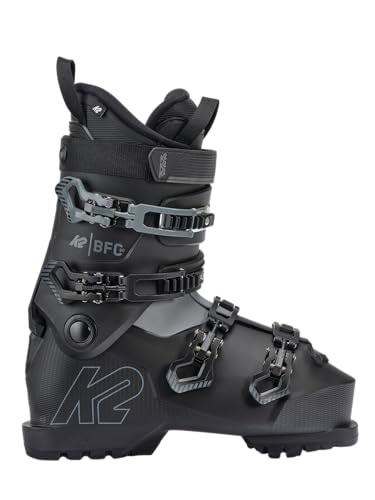 TOP CHOICEBest for budget-conscious intermediatesK2 BFC 80 Men's Ski BootsView on Amazon
- 3
 TOP CHOICEBest for all-day comfortRossignol EVO 70 HV+ – Ski Boots for Men and WomenView on Amazon
- 4
 Best for growing kidsROCES Idea Up Adjustable Ski BootsView on Amazon
- 5
 Best for high-volume aggressive skiersNordica HF 120 Men's Rear Entry Ski BootsView on Amazon
- 6
 Best for women who want a stiffer women's fitRossignol Kelia 50 – Downhill Ski Boots for WomenView on Amazon
Our Top Picks
Quick Comparison
| Product | Best for | Key feature |
|---|---|---|
| Atomic Hawx Prime XTD 105 BOA | Touring and downhill | BOA closure, walk mode |
| K2 BFC 80 | Budget-conscious intermediates | Wide last, forgiving flex |
| Rossignol EVO 70 HV+ | All-day comfort | High-volume shell |
| ROCES Idea Up Adjustable | Growing kids | Adjustable shell size |
| Nordica HF 120 | High-volume aggressive skiers | 102mm last, stiff flex |
| Rossignol Kelia 50 | Women wanting a stiffer fit | Women’s wide-volume shell |
Atomic Hawx Prime XTD 105 BOA Ski Boots 2026 // Women’s
Atomic Hawx Prime XTD 105 BOA Ski Boots 2026 // Women's | Tour uphill with ease and ski hard on the descent in the Hawx Prime XTD 105 BOA GW AT Boot
Best for: Touring and downhill skiing with a wider fit
Suited to skiers who split time between uphill travel and fast descents and want a roomier forefoot without losing control.
Pros:
- BOA closure allows quick, even tightening over the instep
- Walk mode supports efficient uphill travel
Cons:
- Higher stiffness may take time to break in for beginners
K2 BFC 80 Men’s Ski Boots
K2 BFC 80 Men's Ski Boots (Grey, 28.5)
Best for: Budget-conscious intermediates needing extra width
A practical choice for recreational skiers who want a comfortable, wider fit for groomed runs and mixed conditions.
Pros:
- Forgiving flex suits progressing skiers
- Accommodating forefoot for wider feet
Cons:
- Less precise response for aggressive carving
Rossignol EVO 70 HV+ – Ski Boots for Men and Women
Rossignol EVO 70 HV+ – Ski Boots for Men and Women – Black
Best for: All-day comfort on wide feet
Aimed at skiers who spend long days on the mountain and need the shell to stay comfortable from first run to last.
Pros:
- High-volume shell reduces pressure on the sides of the foot
- Good balance of comfort and responsiveness
Cons:
- Some owners find the heel pocket requires a liner adjustment
ROCES Idea Up Adjustable Ski Boots
ROCES Idea Up Adjustable Ski Boots Black-Silver Size 22.5-25.5 | Confidence and comfort that keep up with growth—Roces IDEA FREE ski boots built for kids ready to advance
Best for: Growing kids who need extra room
Designed for young skiers whose feet are still growing, with adjustments that extend the useful life of the boot.
Pros:
- Adjustable shell accommodates a range of sizes
- Comfortable fit for developing feet
Cons:
- Adjustability is limited once the child moves to a larger size
Nordica HF 120 Men’s Rear Entry Ski Boots
Nordica HF 120 Men's Rear Entry Ski Boots, Anthracite/Black/Red, 26.5 | GripWalk, 102mm Last, High Volume, Stiff Flex, Quick Entry, Moldable Shell, Heat Moldable Cork Liner
Best for: High-volume skiers who want a stiff, responsive boot
For strong skiers with wider feet who want power transfer and a 102mm last without sacrificing precision.
Pros:
- 102mm last and high volume suit wide feet
- Heat-moldable shell and cork liner improve custom fit
Cons:
- Stiff flex is demanding for intermediate skiers
Rossignol Kelia 50 – Downhill Ski Boots for Women
Rossignol Kelia 50 – Downhill Ski Boots for Women – Black/White
Best for: Women who want a stiffer, performance-oriented wide fit
Suited to female skiers progressing toward more assertive skiing who still need room across the forefoot.
Pros:
- Women’s fit tuned for narrower heels and wider forefoot
- Stiffer flex supports confident turns on firm snow
Cons:
- Stiffer flex can feel tiring on long, easy days
Buying Guide
Last width
The last is the internal width of the boot at the forefoot, usually given in millimeters. Many wide-fit models list lasts around 102mm, though you should compare specifications rather than rely on the word “wide” alone.
Shell volume and instep height
Volume describes how much space the shell has above the foot. If you have a high instep or raised arch, look for high-volume shells or a boot that allows a custom footbed.
FAQ
How do I know if I need wide ski boots?
If your feet feel pinched across the ball or toes, or if standard boots cause numbness, pain or pressure points within a short time on the slopes, a wider last or higher volume shell may suit you better. Trying boots on with your ski socks and checking how your foot sits over the instep can help you decide. A fitter can also measure your foot and recommend a last width.
Is a wider last always better for comfort?
Not necessarily. A wider last gives more room across the forefoot, but if the heel and ankle are not secure, your foot can move around and cause blisters or poor control. The best fit holds your heel firmly while leaving the forefoot comfortable.
Can a heat moldable liner or shell make a boot fit wider?
Heat molding can create some additional room in key areas such as the forefoot, cuff or instep, depending on the model. It works best when the boot is already close to the right size and width. Results vary, so it is wise to check with a qualified boot fitter before molding.
Should I size up when buying wide ski boots?
Many skiers do not need to size up, since wide-fit boots already add volume in the right places. Sizing up can lead to excess movement inside the shell and reduced control. Compare your measured foot length and width against the manufacturer’s sizing chart before deciding.
Do wide ski boots perform as well as narrower boots?
Performance depends more on flex, shell design and how well the boot fits than on width alone. A properly fitted wide boot can offer strong control and power transfer. Choosing a flex rating that matches your skill level and terrain is just as important.
How long does it take to break in a new pair of ski boots?
Most skiers need several days of short sessions to adapt to a new boot, and the shell and liner may soften slightly over time. Wearing them around the house for a while before hitting the slopes can make the break-in period more comfortable. If pain persists after several outings, have a boot fitter check the fit.
Conclusion
For most skiers with wide feet who want a balance of performance and comfort, the Atomic Hawx Prime XTD 105 BOA is a strong starting point, especially for those who also tour. Intermediates on a tighter budget may find the K2 BFC 80 a practical choice, while those who ski all day and prioritize comfort may prefer the Rossignol EVO 70 HV+.
Growing kids should look at the ROCES Idea Up for its adjustable fit, and skiers with high-volume feet who want a stiffer, more aggressive boot can consider the Nordica HF 120. Women seeking a downhill boot with a comfortable fit will find the Rossignol Kelia 50 worth a closer look. Always confirm the last width and fit with a boot fitter before buying.
Related reading
- Women's Wide Calf Ski Boots: How to Find a Fit That Doesn't Pinch
- Wide Calf Ski Boots: Why They Pinch and How to Fix It
- Wide Calf Ski Boots Women: How to Find a Fit That Doesn't Pinch
About Ethan Brooks
Ethan Brooks is part of our editorial team and reviews and edits our skiing gear & technique guides, checking product details against manufacturer specifications and owner feedback.
About the author
Ethan Brooks writes reviews and buying guides for Improve Your Skiing.