Three Pin Cross Country Ski Boots: 6 Best Picks for Every Need (2026)
Find the best three pin cross country ski boots for your skiing style. Compare six models by fit, insulation and use, with a short buying guide before you buy.
 By Ethan Brooks
Updated November 20, 2026
 By Ethan Brooks
Updated November 2026
Three pin cross country ski boots are the standard footwear for many recreational and touring skiers using the 75mm Nordic system. Choosing the right pair comes down to a few criteria: the binding compatibility (75mm three pin), insulation level, boot height and flex, the sole type, and how the boot fits your foot shape. The six models below are ranked by how well they match those criteria, based on manufacturer specifications and the feedback owners commonly share.
Our top picks at a glance
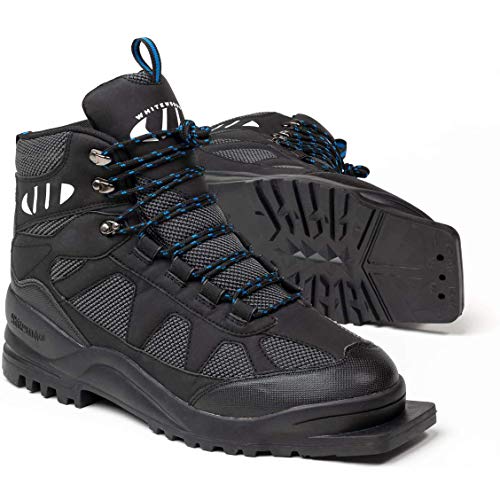
- 1TOP CHOICEBest overallWhitewoods New Adult 301 3 Pin 75mm Nordic Cross Country XC Insulated Ski BootsView on Amazon
- 2
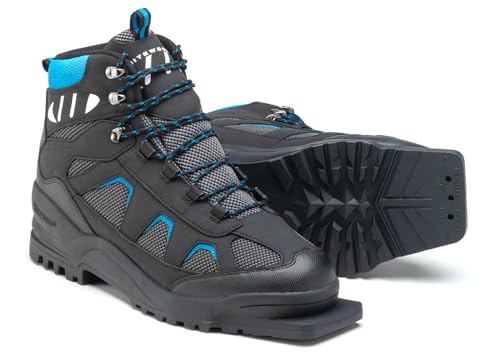 TOP CHOICEBest for warm winter touringWhitewoods 2024 Unisex Adult 301 75mm XC Touring Cross Country AdventuView on Amazon
- 3
 TOP CHOICEBest for beginners buying a full setupWhitewoods Adult 75mm 3-Pin Cross Country Ski Package, 177cm – Skis, BView on Amazon
- 4
 Best for a wide range of sizesErik Sports Whitewoods Adult 75mm 3-Pin Nordic Cross Country Insulated Ski BootsView on Amazon
- 5
 Best for NNN bindingsWhitewoods Unisex Adult 302 NNN Nordic Cross Country XC Touring AdventView on Amazon
- 6
 Best for backcountry useAlpina Alaska 75 Leather 3 Pin 75 mm Backcountry Cross Country Nordic Ski BootsView on Amazon
Our Top Picks
Quick Comparison
| Product | Best for | Key feature |
|---|---|---|
| Whitewoods New Adult 301 3 Pin 75mm | Overall recreational use | Insulated, 75mm three pin |
| Whitewoods 2024 Unisex Adult 301 75mm | Warm winter touring | Insulated XC touring boot |
| Whitewoods Adult 75mm 3-Pin Ski Package | Beginners buying a full setup | Boots, bindings, poles included |
| Erik Sports Whitewoods Adult 75mm 3-Pin | Wide range of sizes | EUR 36–49 size range |
| Whitewoods Unisex Adult 302 NNN | NNN bindings | NNN sole system |
| Alpina Alaska 75 Leather 3 Pin | Backcountry use | Leather, backcountry build |
Whitewoods New Adult 301 3 Pin 75mm Nordic Cross Country XC Insulated Ski Boots
Whitewoods New Adult 301 3 Pin 75mm Nordic Cross Country XC Insulated Ski Boots (47)
Best for: Overall recreational use on groomed trails.
A solid all-round choice for skiers who want an insulated three pin boot for regular trail skiing and mixed conditions.
Pros
- Insulated for cold-weather trail days
- Standard 75mm three pin fit for common bindings
Cons
- Less stiff than dedicated racing boots
Whitewoods 2024 Unisex Adult 301 75mm XC Touring Cross Country Adventure Insulated Ski Boots
Whitewoods 2024 Unisex Adult 301 75mm XC Touring Cross Country Adventure Insulated Ski Boots, Black/Blue, 40
Best for: Warm winter touring.
Suited to skiers who spend longer days out on tours and want extra warmth for the feet in cold conditions.
Pros
- Insulation suits longer, colder outings
- Touring-oriented build for adventure skiing
Cons
- Heavier than lightweight touring options
Whitewoods Adult 75mm 3-Pin Cross Country Ski Package, 177cm – Skis, Boots, Bindings, Poles
Whitewoods Adult 75mm 3-Pin Cross Country Ski Package, 177cm – Skis, Boots, Bindings, Poles (43, 121-150 lbs.)
Best for: Beginners buying a full setup.
Useful for newcomers who want boots, bindings, skis and poles matched in one purchase rather than sourcing each part separately.
Pros
- Complete package removes compatibility guesswork
- Listed for a 121–150 lb skier range
Cons
- Fixed ski length may not suit every height
Erik Sports Whitewoods Adult 75mm 3-Pin Nordic Cross Country Insulated Ski Boots
Erik Sports Whitewoods Adult 75mm 3-Pin Nordic Cross Country Insulated Ski Boots, EUR 36-49 (42)
Best for: Wide range of sizes.
A good fit for skiers whose shoe size falls toward the edges of the standard range, since the listing covers a broad EUR size span.
Pros
- Broad EUR 36–49 size range
- Insulated three pin design
Cons
- Sizing should be checked against a foot measurement
Whitewoods Unisex Adult 302 NNN Nordic Cross Country XC Touring Adventure Insulated Ski Boots
Whitewoods Unisex Adult 302 NNN Nordic Cross Country XC Touring Adventure Insulated Ski Boots, Black/Blue, 43, 9.5
Best for: NNN bindings.
For skiers who use or plan to use NNN bindings rather than three pin, this model uses a different sole system.
Pros
- Designed for the NNN binding system
- Insulated touring build
Cons
- Not interchangeable with 75mm three pin bindings
Alpina Alaska 75 Leather 3 Pin 75 mm Backcountry Cross Country Nordic Ski Boots
Alpina Alaska 75 Leather 3 Pin 75 mm Backcountry Cross Country Nordic Ski Boots, Red/Black, EUR 47, US 12.5
Best for: Backcountry use.
Aimed at skiers heading off-trail who want a leather upper and a sturdier build for rougher terrain.
Pros
- Leather upper suited to backcountry conditions
- 75mm three pin compatibility
Cons
- Leather needs more care to keep it dry and supple
Buying Guide
Binding Compatibility
Three pin cross country ski boots are built for the 75mm Nordic binding system, which uses three pins on the boot sole to clip into matching bindings. Before buying, confirm that your skis and bindings are also 75mm three pin, since the boot and binding must match to work together. Mixing systems, such as trying to pair a 75mm boot with a NNN binding, will not function safely or properly.
Insulation and Warmth
Insulated boots suit cold-weather trips, early season skiing, and anyone who often skis in temperatures near freezing. Uninsulated or lightly insulated boots tend to be lighter and offer more ankle movement, which can appeal to skiers who run warm or ski in milder conditions. Think about the typical temperatures where you ski and how many layers you wear on your feet.
Boot Height, Flex, and Support
Boot height and flex affect how much ankle support you get and how easily the boot bends with each stride. Touring and backcountry boots generally offer more support for longer days and uneven terrain, while lighter recreational boots allow a more natural, flexible stride for groomed trails. Choose a flex level that matches your skiing style and your strength and experience.
Sole Type and Terrain
The sole affects how well the boot grips and how it performs on different surfaces. Boots with a sole designed for touring or backcountry use tend to handle variable snow and steeper climbs better than basic recreational soles. If you plan to ski mostly on groomed tracks, a standard sole will usually be enough.
Fit and Foot Shape
A proper fit matters more than any single feature, because a boot that pinches or slips will cause discomfort and reduce control. Try boots on with the same type of socks you plan to ski in, and check that your heel stays in place and your toes have room without sliding. If you have a wider or narrower foot, look at how each model is shaped and consider whether a different size or fit will serve you better.
FAQ
Can I use three pin boots with any cross country skis?
Only if the skis and bindings are also 75mm three pin. The boot sole and binding must match, so check the binding system on your skis before buying boots. Using mismatched equipment can be unsafe and will not let you clip in.
Are insulated boots better than uninsulated ones?
Insulated boots are better for cold conditions because they help keep your feet warm during long or chilly outings. Uninsulated boots are often lighter and allow more airflow, which can suit warmer weather or skiers who prefer to layer socks themselves. The better choice depends on the temperatures you usually ski in.
What is the difference between recreational and touring boots?
Recreational boots are generally designed for groomed trails and shorter outings, with a focus on comfort and flexibility. Touring boots offer more support and a sturdier sole for longer trips, varied snow, and steeper terrain. If you plan to explore off-trail or ski for many hours, a touring style is usually the better fit.
How should cross country ski boots fit?
Boots should feel snug around the heel and midfoot without pinching, and your toes should have a little room at the front. Your heel should not lift noticeably when you move. Wear the socks you plan to ski in when trying boots on to get an accurate sense of fit.
Do I need a special sock for three pin boots?
A thin to medium-weight wool or synthetic ski sock works well with most three pin boots. Avoid thick cotton socks, which can trap moisture and make your feet cold. The sock should be comfortable and not bunch up inside the boot.
How long should cross country ski boots last?
With regular use and proper care, a good pair of boots can last for several seasons. Drying them fully after each outing, storing them in a cool and dry place, and checking the sole and buckles or closures for wear will help extend their life. Replace them if the sole cracks, the fit no longer feels secure, or the insulation seems to have worn out.
Conclusion
For most recreational skiers who stick to groomed trails and want an affordable, insulated option, the Whitewoods models in the lineup offer a practical starting point. Those planning longer tours, varied terrain, or more demanding backcountry outings should look toward the more supportive touring and backcountry styles, such as the Alpina Alaska 75.
If you are buying your first pair, a complete package can simplify the process, but check that every component matches the 75mm three pin standard. Whichever model you choose, prioritize a comfortable fit and a boot suited to the temperatures and terrain where you ski most often.
Related reading
- Three Hole Cross Country Ski Boots: How to Choose the Right Pair (2026)
- 3-Pin Bindings Cross Country Ski Boots: Which Is Better for You?
- 3 Pin Cross Country Ski Boots: Which Fit and Work Best?
- Cross Country Ski Boots Used: Buying Tips, Fit Checks and Red Flags
About Ethan Brooks
Ethan Brooks is part of our editorial team and reviews and edits our skiing gear & technique guides, checking product details against manufacturer specifications and owner feedback.
About the author
Ethan Brooks writes reviews and buying guides for Improve Your Skiing.