4 Best Marker Ski Bindings Adjustments (2026): Our Picks
Compare four Marker ski bindings for easier marker ski bindings adjustment, DIN tuning and release settings, with pros, cons and buying tips.
 By Lauren Holland
Updated November 17, 2026
 By Lauren Holland
Updated November 2026
Marker ski bindings adjustment is simpler on some models than others, and the difference shows up when you are tuning DIN, toe and heel height, or swapping boot soles. This list compares four Marker bindings based on manufacturer specifications, brand reputation and common owner feedback about setup. The criteria: how easy the release values are to change, how well the binding handles different boot soles, and how suited each model is to a specific style of skiing.
Our top picks at a glance
- 1TOP CHOICEBest overallMarker Griffon 13 Ski BindingsView on Amazon
- 2
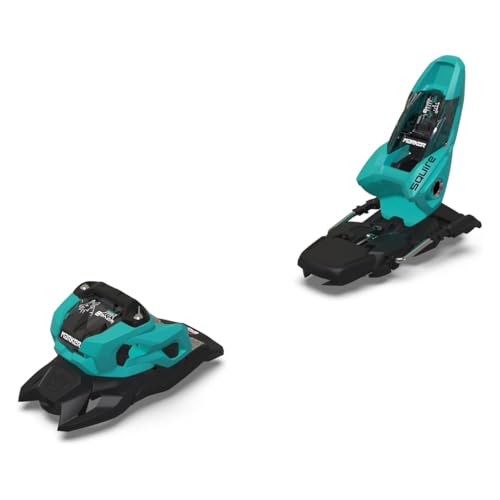 Best for all-mountain valueMarker Squire 11 BindingsView on Amazon
- 3
 Best for racing precisionMarker 2020 Race 10 BindingsView on Amazon
- 4
 Best for adjustable alpine touring-style useMarker 2021 XComp 12 B85 Ski BindingsView on Amazon
Our Top Picks
| Product | Best for | Key feature |
|---|---|---|
| Marker Griffon 13 Ski Bindings | Freestyle and freeride | Energy-absorbing retention |
| Marker Squire 11 Bindings | All-mountain value | Straightforward DIN adjustment |
| Marker 2020 Race 10 Bindings | Racing precision | Firm, direct release feel |
| Marker 2021 XComp 12 B85 Ski Bindings | Adjustable touring-style use | Wide sole compatibility |
Marker Griffon 13 Ski Bindings
Marker Griffon 13 Ski Bindings – Unisex Adult Compact Durable Freestyle Freeride Skiing Bindings – Energy-Absorbing Retention, Universal Boot Sole Compatibility, Black/Red, 90mm
Best for: Freestyle and freeride skiing with a compact, durable binding.
This suits skiers who want a compact binding that handles hard landings and varied snow. Owners often report that the universal boot sole compatibility makes swapping boots less of a hassle.
Pros
- Energy-absorbing retention for rough landings
- Universal boot sole compatibility
Cons
- Compact build may feel less stable for high-speed carving
Marker Squire 11 Bindings
Marker Squire 11 Bindings | Why We Like The Marker Squire 11 Ski Binding
Best for: All-mountain skiers who want an easy-to-set binding without extra complexity.
This fits recreational and intermediate skiers who adjust settings occasionally and want a dependable, no-fuss release. The DIN range keeps it practical for a broad group of skiers.
Pros
- Straightforward DIN and toe/heel adjustment
- Well suited to everyday all-mountain use
Cons
- Less specialized than race or freestyle-focused models
Marker 2020 Race 10 Bindings
Marker 2020 Race 10 Bindings (Black Flo Red)
Best for: Racing precision and fast, aggressive skiing.
This is aimed at skiers who want a firm, direct connection to the ski and who value consistent release behavior at speed. It is less forgiving of casual setup errors, so careful DIN checks matter.
Pros
- Firm, responsive feel at speed
- Designed around precise release settings
Cons
- Less comfortable for relaxed, all-day cruising
Marker 2021 XComp 12 B85 Ski Bindings
Marker 2021 XComp 12 B85 Ski Bindings
Best for: Adjustable, versatile use across varied conditions.
This suits skiers who switch between boot types or ski styles and want a binding that adapts. Owners often mention that the adjustability helps with fine-tuning after mounting.
Pros
- Adaptable across boot sole types
- Good for fine-tuning release values
Cons
- More settings to understand for first-time adjusters
Buying Guide
Check your DIN range first
Your DIN setting depends on weight, height, age, and skiing ability. Check the manufacturer’s chart before you touch the binding, and recheck it each season.
Match the binding to your boot sole
Boot sole length (ISO 5355 standard) and sole type (alpine, GripWalk, or other) affect fit. Confirm compatibility before buying.
Consider how often you adjust
If you rent gear or swap boots often, a model with clear, accessible adjustment points saves time at the mountain.
Think about your skiing style
Freestyle, racing, and all-mountain skiers need different release feel and retention. Pick the binding that matches how you actually ski.
Good picks for this: Marker Squire 11 Bindings, Marker Griffon 13 Ski Bindings
FAQ
How often should I check my marker ski bindings adjustment?
Check your DIN setting at the start of each season and after any boot change. Many shops recommend a professional check if you notice inconsistent release.
Can I adjust Marker bindings myself?
Yes, with basic tools and the manufacturer’s DIN chart. If you are unsure, have a qualified ski shop check the settings.
Does boot sole type affect my binding choice?
Yes. Confirm the binding supports your boot sole standard before purchase.
Conclusion
For general all-mountain use, the Marker Squire 11 offers straightforward adjustment. Freestyle and freeride skiers may prefer the Griffon 13, while racers suit the Race 10. The XComp 12 B85 works well for skiers who change boots or want more fine-tuning options.
Sources
- ISO standards for alpine ski binding and boot sole compatibility
- ASTM standards related to ski binding performance and safety
Related reading
- Ski Bindings Adjustment Chart: How to Read It and Set DIN Correctly
- Marker at Ski Bindings vs Standard Bindings: Which Should You Choose?
- Marker M900 Ski Bindings: Setup, DIN Settings and Common Fixes
- Marker Jester Ski Bindings: What They Are and How to Set Them Up
- Marker Jester Schizo Ski Bindings: Are They Right for You?
- XC Ski Bindings Types: 3 Main Designs and How to Choose (2026)
About Lauren Holland
Lauren Holland is part of our editorial team and reviews and edits our skiing gear & technique guides, checking product details against manufacturer specifications and owner feedback.
About the author
Lauren Holland writes reviews and buying guides for Improve Your Skiing.