How to Mount Ski Bindings on Plates: 5 Best Mounting Plates Compared
Learn how to mount ski bindings on plates, what to check before drilling, and compare five mounting plates for alignment, fit and secure fastening.
 By Lauren Holland
Updated November 22, 2026
 By Lauren Holland
Updated November 2026
Knowing how to mount ski bindings on plates correctly comes down to three things: choosing a plate that matches your binding’s hole pattern, placing it so the binding sits where the manufacturer intends, and fastening it with the right screws and torque. This guide covers the selection criteria we used, a side-by-side comparison of five plates and a buying guide for the factors that matter most when you are mounting a binding on a plate rather than directly to a ski.
Our top picks at a glance
- 1TOP CHOICEBest overallUIAHNE Ski Binding Mounting Plate DiscView on Amazon
- 2
 TOP CHOICEBest for rear toe setupsHO Rear Toe Plate Waterski Bindings 10-11View on Amazon
- 3
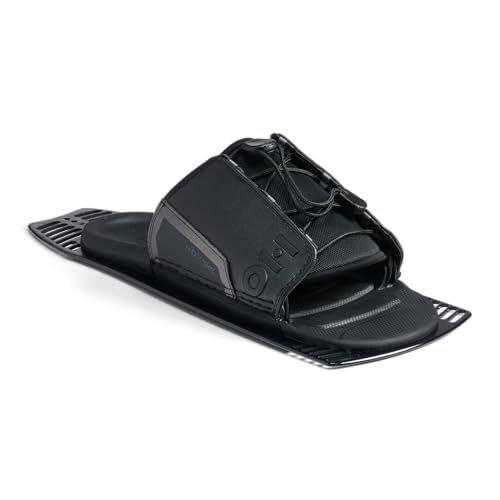 TOP CHOICEBest for adjustable stanceHO Stance Aluminum Adjustable Rear Toe PlateView on Amazon
- 4
 Best for slalom ridersHO Stance 130 Rear Plate Slalom Waterski Bindings 7-11View on Amazon
- 5
 Best budget pickHO freeMax Rear Plate Water Ski BindingView on Amazon
Our Top Picks
Our selection looked at four things: whether the plate’s hole pattern and size are clearly stated, how well the design suits a specific riding style, how the mounting hardware is described, and the kinds of feedback owners tend to share about fit and adjustment. We did not install these plates ourselves, so the notes below reflect manufacturer specifications and common owner patterns rather than our own trials.
Quick Comparison
| Product | Best for | Key feature |
|---|---|---|
| UIAHNE Ski Binding Mounting Plate Disc | General plate mounting with a standard 4-hole pattern | 4 x 4 hole pattern with included screw fixings |
| HO Rear Toe Plate Waterski Bindings 10-11 | Rear toe plate setups in a 10–11 size range | Rear toe plate design |
| HO Stance Aluminum Adjustable Rear Toe Plate | Riders who want to adjust stance | Adjustable aluminum construction |
| HO Stance 130 Rear Plate Slalom Waterski Bindings 7-11 | Slalom-focused riders in a 7–11 size range | Stance 130 rear plate design |
| HO freeMax Rear Plate Water Ski Binding | Budget-minded riders in a 4–8 size range | Rear plate with a 4–8 size range |
UIAHNE Ski Binding Mounting Plate Disc
UIAHNE Ski Binding Mounting Plate Disc with Screw Fixings 4 Hole Pattern 4 X 4 Spare
Best for: Best overall
This is a general-purpose mounting disc for skiers who need a standard 4-hole plate to carry a binding. It suits anyone who wants a straightforward starting point before committing to a more specialized design.
Key specs
- 4 x 4 hole pattern (as stated in the listing name)
- Includes screw fixings
Pros
- Clearly stated hole pattern makes compatibility checks simple
- Includes fixings, so you do not need to source hardware separately
- Simple disc design is easy to position and mark
Cons
- Owners should verify the hole spacing against their binding before drilling
- Does not offer stance adjustment
Bottom line: A sensible first choice if you want a basic 4-hole plate and your binding’s pattern matches the listed spec.
View on AmazonHO Rear Toe Plate Waterski Bindings 10-11
HO Rear Toe Plate Waterski Bindings 10-11
Best for: Best for rear toe setups
This rear toe plate suits riders with a foot size in the 10–11 range who are setting up a rear toe plate binding and want the plate sized for that bracket.
Key specs
- Rear toe plate design
- Size range 10–11 (as stated in the listing name)
Pros
- Size range is stated directly in the product name
- Dedicated rear toe design for a specific setup
- Easy to match against a compatible binding
Cons
- Limited to a narrow size range
- Owners should confirm bracket compatibility before mounting
Bottom line: Pick this if your binding and foot size both fall within the 10–11 range and you are mounting a rear toe plate.
View on AmazonHO Stance Aluminum Adjustable Rear Toe Plate
HO Stance Aluminum Adjustable Rear Toe Plate Waterski Binding – One Size
Best for: Best for adjustable stance
Riders who want to fine-tune their stance after the initial mount will find this adjustable aluminum plate more forgiving than a fixed design.
Key specs
- Aluminum construction (as stated in the listing name)
- Adjustable rear toe plate
Pros
- Adjustable design allows stance changes without a new plate
- Aluminum construction is a common choice for rigidity
- Works well for riders still dialing in their setup
Cons
- Adjustment mechanisms add more points to check for wear
- Requires careful alignment during initial mounting
Bottom line: A good pick for riders who expect to change their stance over time.
View on AmazonHO Stance 130 Rear Plate Slalom Waterski Bindings 7-11
HO Stance 130 Rear Plate Slalom Waterski Bindings 7-11
Best for: Best for slalom riders
This plate is aimed at slalom riders within the 7–11 size range who want a rear plate designed for a more aggressive, focused riding style.
Key specs
- Stance 130 rear plate design (as stated in the listing name)
- Size range 7–11
Pros
- Wide size range covers many riders
- Designed for a specific riding discipline
- Clear model naming helps when matching components
Cons
- Best suited to slalom riding rather than general use
- Owners should verify the stance measurements before mounting
Bottom line: Choose this if you ride slalom and need a rear plate that fits the 7–11 range.
View on AmazonHO freeMax Rear Plate Water Ski Binding
HO freeMax Rear Plate Water Ski Binding (Black, 4-8)
Best for: Best budget pick
This rear plate binding covers a 4–8 size range and suits riders who want a simpler, more budget-oriented option for a basic rear plate setup.
Key specs
- Rear plate design
- Size range 4–8 (as stated in the listing name)
- Black finish
Pros
- Budget-friendly option for a basic rear plate
- Size range suits smaller feet
- Simple design is straightforward to mount
Cons
- Narrower size range than some alternatives
- Fewer adjustment options for advanced tuning
Bottom line: A practical pick for riders in the 4–8 range who want a simple rear plate without extra features.
View on AmazonBuying Guide
Hole Pattern and Spacing
The most important check is whether the plate’s hole pattern matches your binding’s mounting holes. Manufacturers usually specify the pattern in millimeters or as a grid such as 4 x 4. Measure the spacing between hole centers on your binding and compare it to the plate before you buy or drill. A mismatch of even a few millimeters can prevent a clean mount.
Good picks for this: UIAHNE Ski Binding Mounting Plate Disc, HO Rear Toe Plate Waterski Bindings 10-11
Size Range and Foot Fit
Plates and bindings are often sold in size ranges tied to boot sole length. Confirm your boot sole length falls inside the range printed on the plate and binding. Staying within range keeps the binding’s toe and heel pieces engaging properly with your boot.
Good picks for this: HO Stance 130 Rear Plate Slalom Waterski Bindings 7-11, HO freeMax Rear Plate Water Ski Binding
Adjustability and Stance
Some plates allow you to shift the binding fore and aft or side to side. Adjustability helps if you plan to change stance or share the setup between riders. Fixed plates are simpler and have fewer parts to wear, so the right choice depends on how often you expect to make changes.
Good picks for this: HO Stance Aluminum Adjustable Rear Toe Plate, UIAHNE Ski Binding Mounting Plate Disc
Material and Durability
Aluminum is a common choice for plates because it resists flex and holds its shape under load. Check whether the listing names the material. Inspect the plate for cracks, deformed holes or corroded threads before each season, and replace any part that shows damage.
Good picks for this: HO Stance Aluminum Adjustable Rear Toe Plate, HO Stance 130 Rear Plate Slalom Waterski Bindings 7-11
Included Hardware
Some plates come with screws and washers, while others expect you to source them separately. Use the fasteners the manufacturer specifies, since wrong lengths can either fail to engage or protrude through the base. If hardware is not included, confirm the thread size and length required before ordering.
Good picks for this: UIAHNE Ski Binding Mounting Plate Disc
Intended Use Case
A slalom-focused plate is designed around a different riding style than a general-purpose disc. Think about how you will ride, how often you will remount and whether you need a plate for a specific discipline. Matching the design to your use case avoids paying for features you will not use.
Good picks for this: HO Stance 130 Rear Plate Slalom Waterski Bindings 7-11, HO Rear Toe Plate Waterski Bindings 10-11
Care and Maintenance
After each session, rinse off water and grit, especially if the plate sees saltwater. Check screw torque at the start of each season, and re-torque after the first few uses since fasteners can settle. Keep a log of settings so you can restore them quickly after remounting.
Good picks for this: UIAHNE Ski Binding Mounting Plate Disc, HO freeMax Rear Plate Water Ski Binding
FAQ
Do I need a drill to mount ski bindings on a plate?
Yes, in most cases. The plate has to be fastened to the ski or base with screws that pass through pre-drilled or newly drilled holes. Measure carefully and mark the positions before drilling. If you are unsure, have a shop handle the drilling.
How do I check that my plate matches my binding?
Measure the distance between the mounting holes on your binding and compare it to the plate’s hole pattern. Check the size range printed on both products as well. If the spacing or size range does not match, the plate will not seat correctly.
What torque should I use on the mounting screws?
Torque values depend on the screw size and the manufacturer’s instructions. Use a calibrated torque driver and follow the specification in the binding or plate documentation. Overtightening can strip threads, while undertightening can let the plate loosen under load.
Can I use any screws with a mounting plate?
No. Use the screws supplied by the manufacturer or ones matching the specified thread size and length. Screws that are too long can protrude and damage the ski, while screws that are too short may not hold.
Should I have a professional mount my bindings?
If you are not comfortable measuring, drilling and torquing hardware, a qualified ski shop is a sound choice. Binding release settings are a safety feature, so consult a professional if you have doubts about the setup.
How often should I check plate mounting screws?
Check them at the start of each season and after your first few days of use. Look for loosening, cracks around the holes and any play in the plate. Retighten to specification and replace any damaged parts.
Conclusion
For a general-purpose plate with a clearly stated hole pattern and included hardware, the UIAHNE Ski Binding Mounting Plate Disc is the most straightforward starting point. Riders who need a rear toe setup in a specific size should look at the HO Rear Toe Plate Waterski Bindings 10-11. If you expect to adjust stance over time, the HO Stance Aluminum Adjustable Rear Toe Plate offers more flexibility. Slalom riders in the 7–11 range should consider the HO Stance 130 Rear Plate, while the HO freeMax Rear Plate suits budget-minded riders in the 4–8 range. Whichever plate you choose, verify the hole pattern and size range before drilling, and for background on the broader setup process, see How to Install Ski Bindings: A Step-by-Step Guide for Beginners and How to Mount Ski Bindings on Skis: A Step-by-Step Guide for Beginners.
Sources
- Consumer safety guidance on sporting equipment and product recalls relevant to ski gear (cpsc.gov)
- International standards that define ski binding and release testing requirements
- Industry guidance on ski equipment setup and safe binding practices
Related reading
- Salomon Cross Country Ski Bindings: How to Choose and Mount Them Right
- How to Mount Cross Country Ski Bindings (2026): Drill Jig vs Shop Mounting
- How Mount Ski Bindings at Home: A Step-by-Step Guide for Beginners
About Lauren Holland
Lauren Holland is part of our editorial team and reviews and edits our skiing gear & technique guides, checking product details against manufacturer specifications and owner feedback.
About the author
Lauren Holland writes reviews and buying guides for Improve Your Skiing.