5 Best Ski Boots for Men’s Skiing in 2026: Our Picks
Looking for the best ski boots men's skiers actually rely on? Compare five picks by fit, flex and use, with a quick buying guide to match a boot to your skiing.
 By Ethan Brooks
Updated November 21, 2026
 By Ethan Brooks
Updated November 2026
Finding the best ski boots men’s skiers can rely on starts with fit, flex and the kind of skiing you do most. A boot that fits your foot shape and matches your ability will do more for your turns than any ski upgrade. The five picks below are chosen from manufacturer specifications, product listings and the patterns owners tend to describe in feedback, so you can match a boot to your needs.
Our top picks at a glance
- 1TOP CHOICEBest overallNordica The Cruise Men's Ski Boots, Black/Gray/Red, 27.5 | 104mm Last,View on Amazon
- 2
 TOP CHOICEBest for wide feetK2 Revolve Men's Ski Boots, 2027, 26.5 | 99mm Last, Mid Volume, MediumView on Amazon
- 3
 TOP CHOICEBest for aggressive skiingAtomic HAWX Magna 100 Men's Ski Boots (Black/Red, 27/27.5)View on Amazon
- 4
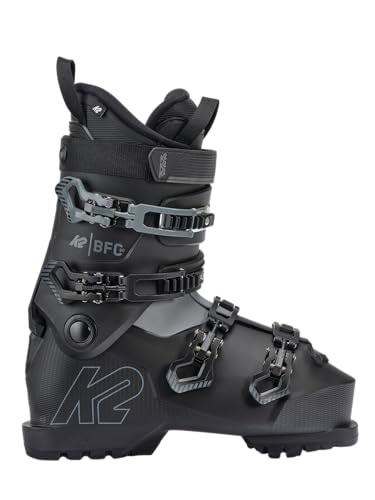 Best for beginners on a budgetK2 BFC 80 Men's Ski Boots (Grey, 28.5)View on Amazon
- 5
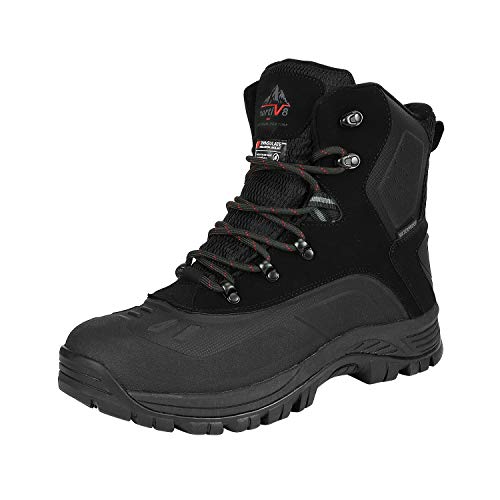 Best for snow days off the slopesNORTIV 8 Men's Waterproof Hiking Winter Snow Boots,Black/1,11 | InsulaView on Amazon
Our Top Picks
| Product | Best for | Key feature |
|---|---|---|
| Nordica The Cruise | Comfortable all-day skiing | 104mm last, soft flex |
| K2 Revolve | Wider feet | 99mm last, heat moldable liner |
| Atomic HAWX Magna 100 | Aggressive skiers | Stiffer, performance flex |
| K2 BFC 80 | Beginners and intermediates | Forgiving, approachable flex |
| NORTIV 8 Tundra | Snow play and cold days | Waterproof, insulated build |
Nordica The Cruise Men’s Ski Boots, Black/Gray/Red, 27.5 | 104mm Last, High Volume, Soft Flex, Heat Moldable Liner
Nordica The Cruise Men's Ski Boots, Black/Gray/Red, 27.5 | 104mm Last, High Volume, Soft Flex, Heat Moldable Liner
Best for: Comfortable all-day skiing
This boot suits skiers who want comfort on long days and a softer flex that is easier to control on groomed runs.
Pros
- 104mm last and high volume suit wider, higher-volume feet
- Heat moldable liner can be customized to your foot
Cons
- Soft flex gives less response for expert, high-speed skiing
K2 Revolve Men’s Ski Boots, 2027, 26.5 | 99mm Last, Mid Volume, Medium Flex, Heat Moldable Liner
K2 Revolve Men's Ski Boots, 2027, 26.5 | 99mm Last, Mid Volume, Medium Flex, Heat Moldable Liner
Best for: Wider feet
A mid-volume shell with a medium flex works well for intermediate skiers with narrower-to-average feet who still want a secure fit.
Pros
- 99mm last is a practical width for many average-to-wide feet
- Heat moldable liner helps refine the fit around pressure points
Cons
- Mid volume may feel snug for very high-volume feet
Atomic HAWX Magna 100 Men’s Ski Boots (Black/Red, 27/27.5)
Atomic HAWX Magna 100 Men's Ski Boots (Black/Red, 27/27.5)
Best for: Aggressive skiing
A stiffer, higher-flex boot is aimed at strong skiers who want firm energy transfer on steeper terrain and in variable snow.
Pros
- Stiffer flex gives precise control at speed
- Responsive feel suits advanced carving and bump runs
Cons
- Stiffer flex can be tiring for intermediate skiers
K2 BFC 80 Men’s Ski Boots (Grey, 28.5)
K2 BFC 80 Men's Ski Boots (Grey, 28.5)
Best for: Beginners on a budget
This boot is a sensible starting point for newer skiers who want a forgiving flex and a comfortable shell while they build technique.
Pros
- Forgiving flex is easier to learn in
- Budget-friendly option for a first pair
Cons
- Less precise response as skill and speed increase
NORTIV 8 Men’s Waterproof Hiking Winter Snow Boots, Black/1,11 | Insulated Construction Hunting Ski Work Boots TUNDRA
NORTIV 8 Men's Waterproof Hiking Winter Snow Boots,Black/1,11 | Insulated Construction Hunting Ski Work Boots TUNDRA
Best for: Snow days off the slopes
This insulated, waterproof boot suits walking in snow, lodge time and cold-weather chores, though it is not a ski boot for downhill performance.
Pros
- Waterproof, insulated build handles wet, cold conditions
- Comfortable for walking around resorts and town
Cons
- Not designed for skiing and lacks ski-boot flex and binding compatibility
Buying Guide
Fit and Foot Width
Fit matters more than any spec on the box. Check the last width in millimeters, and try the boot with your ski socks on to see how it feels around the heel and forefoot.
Good picks for this: Nordica The Cruise, K2 Revolve
Flex Rating
Flex describes how stiff the shell is. Beginners and relaxed skiers usually do better with softer flex, while aggressive skiers benefit from stiffer boots that transfer energy more directly.
Good picks for this: K2 BFC 80, Atomic HAWX Magna 100
Volume and Liner
Volume refers to the internal space of the boot. A heat moldable liner can improve comfort by adapting to your foot, though results vary by person and should be done by a boot fitter.
Good picks for this: Nordica The Cruise, K2 Revolve
Intended Use
Match the boot to where you ski. Downhill performance boots and casual winter boots are built for different jobs, so choose based on the activity.
Good picks for this: K2 BFC 80, NORTIV 8 Tundra
FAQ
How do I know what flex rating I need in a men’s ski boot?
Flex rating measures how stiff a boot is, and a higher number generally means a stiffer boot that gives more power to aggressive skiers. Softer flex ratings are usually better for beginners and intermediate skiers who want a more forgiving feel. If you are unsure, start with a moderate flex and let your skiing style guide any future changes.
Does volume matter more than the last width?
Both matter, but they measure different things. The last describes the width of the boot at the forefoot, while volume describes the overall space inside the shell for your foot and ankle. A boot can have a narrow last but high volume, so check both specifications against your own foot shape.
What does a heat moldable liner do?
A heat moldable liner can be warmed so it conforms more closely to the shape of your foot, which can improve comfort and reduce pressure points. Many fitters offer this service, and it is especially helpful for people with wider or irregular feet. Results vary by boot and foot, so a professional fitting is still a good idea.
Can I use a hiking or work boot for skiing?
Insulated hiking and work boots can keep your feet warm in snow, but they are not designed to transfer energy to a ski the way alpine ski boots are. They lack the stiff shell, buckles and binding compatibility needed for controlled skiing. For skiing on groomed runs, a purpose-built ski boot is the safer and more effective choice.
Should I buy ski boots online or at a shop?
Buying online can offer convenience and a wider selection, but ski boot fit is highly individual and hard to judge without trying them on. A specialty ski shop with a trained boot fitter can measure your feet and adjust the boot for you. If you buy online, check the return policy carefully before you ski on them.
How long should a pair of ski boots last?
With regular use and proper care, many ski boots remain usable for several seasons, though the plastic shell and liner can gradually lose stiffness and fit. Signs it may be time to replace them include persistent pain, loss of support or cracked shells. Keeping boots dry and storing them at moderate temperatures helps extend their life.
Conclusion
For most men who want one reliable boot, the Nordica The Cruise is a strong all-around choice, while the K2 Revolve suits skiers with wider feet who still want a balanced flex. Advanced skiers who want a more responsive, performance-oriented boot should look at the Atomic HAWX Magna 100.
Beginners and budget-minded skiers will find the K2 BFC 80 an approachable starting point, and the NORTIV 8 fits people who need warm, waterproof boots for snow work or hunting rather than alpine skiing. Match the boot to your foot shape and skiing style, and a professional fitting will help you make the final call.
Related reading
- Apres Ski Boots Men's: 6 Best Picks for Warmth and Comfort (2026)
- 5 Best Men's Ski Boots Sale Picks for Every Skier (2026)
- 4 Best Most Comfortable Men's Ski Boots (2026): Our Picks
- Women's Ski Boots Sale: 5 Best Picks for Comfort and Warmth (2026)
- Which Women's Tecnica Ski Boots Fit Best? A Practical Guide
About Ethan Brooks
Ethan Brooks is part of our editorial team and reviews and edits our skiing gear & technique guides, checking product details against manufacturer specifications and owner feedback.
About the author
Ethan Brooks writes reviews and buying guides for Improve Your Skiing.