White Ski Base Layer Women’s Review: Features and Performance
Reviewing this white ski base layer women's set: fleece lining, specs, pros and cons, and who should buy it or skip it before your next ski day.
 By Miles Sinclair
Updated November 11, 2026
 By Miles Sinclair
Updated November 2026
If you are shopping for a white ski base layer women’s set, the appeal is easy to see: a fleece-lined top and bottom in a neutral white that pairs with almost any shell, sold as a single set for cold days on the hill. This review looks at the thermal set listed under ASIN B0FHKKFL8Z, based on its listing details and the patterns owners commonly describe. It suits skiers who run cold, ski in dry to moderately cold conditions, and want an easy layering piece for resort days. It is less suited to high-output backcountry touring, sweaty laps in mild weather, or anyone who expects the performance of a technical merino or synthetic ski-specific base layer. Read on for the details.
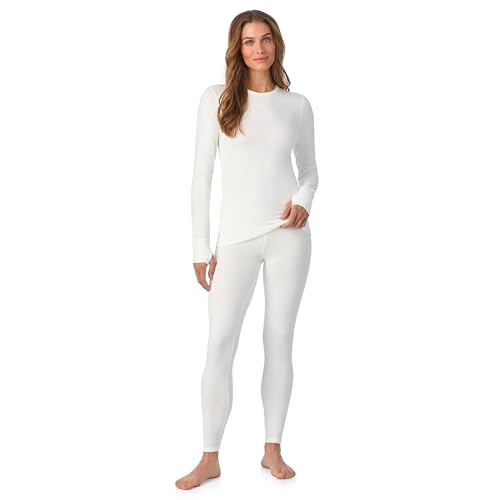
Thermal Underwear for Women Thermal Set Fleece Lined Leggings Long Johns | Womens Thermal Sets Base Layer Women's Clothing Warm Tops Bottoms Long Underwear Snow Thermo Pants Ski Winter Shirt White L
Product Overview
This is a women’s thermal underwear set made up of a long-sleeve top and matching leggings, both lined with fleece on the inside. The listing describes it as a winter base layer intended for snow sports, cold-weather lounging, and general cold-season wear. The color is white, and the size shown in the listing title is L, which is one of several sizes typically offered in this style.
Sets like this sit in a different category from the technical base layers built for aerobic skiing. The focus is on warmth and comfort rather than advanced moisture transport or compression. That distinction matters for how you will likely experience the product: it is designed to trap heat close to the body, and it will feel cozy in stable, cold conditions. If you want a broader picture of how these sets compare, our guide to Women’s Ski Base Layer Sets: How to Choose the Right Set (2026) walks through the main categories.
Key Features & Specifications
The table below lists only the attributes that are stated in the product name or are clearly implied by its category. Where the listing does not give a figure, we say so rather than guess.
| Feature | What the Listing Indicates |
|---|---|
| Set contents | Top and bottom (long-sleeve top and leggings) |
| Lining | Fleece-lined |
| Color | White |
| Size shown | L (check the size chart before ordering) |
| Intended use | Winter, snow sports, cold-weather wear |
| Fabric composition | Not confirmed in the title; check the listing details |
| Weight/GSM | Not specified in the title |
| Moisture-wicking claim | Not specified in the title |
Because the product name does not state fiber content or fabric weight, you should confirm these in the full listing before buying. Fabric content has a large effect on how a base layer handles sweat, odor, and drying time, so it is worth checking rather than assuming.
Pros & Cons
Pros
- Fleece lining is a practical choice for dry, cold conditions where warmth matters more than airflow.
- Top and bottom come together, which simplifies packing and getting dressed on cold mornings.
- The white colorway is neutral and can be worn under dark or bright shells without standing out.
- Works well for lounging, sleeping in cold cabins, and general winter wear beyond the slopes.
- Sold as a set, so the top and bottom are designed to match in fit and fabric.
Cons
- Fleece-lined thermals can feel bulky under a tight ski shell and may limit range of motion for some skiers.
- Owners of fleece-lined sets commonly note that they can trap sweat during hard exertion, which slows drying.
- Fabric weight and fiber content are not stated in the title, so performance is harder to predict.
- Sizing in this style varies between brands, and a mismatch can affect warmth and fit.
- Not designed as a high-output technical layer for aerobic skiing or touring.
Performance Analysis
Performance in a base layer comes down to three things: how well it insulates, how it manages moisture, and how it fits. Based on the listing and the general behavior of fleece-lined thermal sets, here is how this product is likely to perform.
Warmth
Fleece lining adds insulation by creating small air pockets close to the skin. In cold, dry conditions, this is the feature most likely to earn its keep. Many owners of fleece-lined sets describe them as noticeably warmer than unlined thermals, especially on chairlift rides when you are not generating much body heat. The trade-off is that the same insulation that keeps you warm when standing still can become too much once you start skiing hard.
Moisture Management
This is where fleece-lined sets generally fall short of technical ski base layers. Fleece holds moisture, and owner feedback on this category often mentions a damp feeling during active runs and slower drying afterward. If you tend to sweat heavily, or if you ski in mild, humid conditions, you may find this set uncomfortable. For those situations, a merino or synthetic layer is usually the better choice. Our article Merino Wool Ski Base Layer Women’s: How to Choose Warm, Dry Layers explains why fiber choice matters so much for moisture.
Fit and Comfort
Fit is central to how a base layer feels. A set that is too loose will bunch under a shell and lose warmth where it matters. A set that is too tight restricts movement, which is especially noticeable in the shoulders when you are carving or pole planting. Check the size chart carefully, and measure your chest, waist, and inseam rather than relying on your usual size. Owners of sets in this category often report that sizing runs differently from one brand to another.
Layering Role
As a base layer, this set works best as the warm layer in a system. On very cold days, it can serve as your primary insulation under a waterproof shell. On milder days, it may be too warm for active skiing and better suited to lounging or lift time. Pairing it with a lighter top or bottom can help you adjust.
Who Should Buy This Product?
This set is a good fit for skiers and snowboarders who spend most of their time in cold, dry conditions, ride lifts often, or spend long stretches standing in lines. It also suits anyone who wants a single, warm set for winter errands, cold-weather outdoor activities, or sleeping in a chilly cabin. Beginners who feel the cold more easily may also appreciate the extra warmth while they build confidence.
You should probably skip this set if you ski hard enough to sweat heavily, if you ski in wet or warm snow, or if you are looking for a technical layer for backcountry touring. In those cases, a lightweight merino or synthetic base layer will serve you better. Skiers with very limited mobility under layers should also try it on in person or check the stretch and cut carefully before buying.
Buying Guide
Before you buy any white ski base layer women’s set, work through these points in order:
- Decide on warmth level. Fleece-lined sets are warmest. Midweight and lightweight options suit milder days and high-output skiing.
- Check fiber content. Merino wool handles odor and temperature well. Synthetics like polyester dry faster. Cotton should be avoided for skiing because it holds moisture.
- Measure yourself. Compare chest, waist, hip, and inseam to the brand’s size chart. Size up if you plan to layer a mid-layer underneath.
- Consider how you will ski. Relaxed cruising and cold lift days favor fleece. Aerobic runs and touring favor technical fabrics.
- Look at construction details. Flatlock seams reduce chafing, and a good collar and cuff design help keep warmth in.
If you want a technical alternative, consider a merino-blend set such as those covered in Women’s Base Layer Ski Clothing Review (2026): Pros, Cons and Who It Suits. For a broader range of options, see 6 Best Women’s Ski Base Layer Turtleneck Options for Warm, Dry Days (2026) and 6 Best Warmest Ski Base Layer Women’s for Cold Days on the Hill (2026).
Two well-known alternatives are worth comparing. The first is a Thermal Underwear for Women Long Johns Set that also uses fleece lining and comes in a white colorway, offered in a medium size. It is a close match in category and a useful comparison point on fit and feel.

Thermal Underwear for Women Long Johns Set Fleece Lined Winter Cold Weather-White M
The second is the Cuddl Duds Heavyweight 2 Piece Set, a long-sleeve top and leggings set that describes moisture-wicking and heat-retention features. It leans toward a heavier, lounge-friendly feel, so it suits cold-weather comfort more than high-output skiing.
Cuddl Duds Heavyweight 2 Piece Sets Base Layer Thermal Underwear for Women | Winter Clothing, Fleece Lined Long Sleeve Top & Leggings, Soft Lounge Set for Cold Weather, Moisture Wicking Heat Retention
For fit and layering advice across other brands and categories, you may also find Women Ski Base Layer Set: A Step-by-Step Guide to Warm, Dry Layers useful.
FAQ
Is a fleece-lined base layer warm enough for skiing?
For cold, dry conditions and lift-heavy days, usually yes. Fleece adds meaningful insulation. For very active skiing, you may find it too warm and prone to trapping sweat.
Can I wear this set under a ski shell?
Yes, that is its intended role as a base layer. Check that the set does not bunch under your shell and that your shell still closes comfortably over it.
Does white base layer color matter for performance?
Color does not affect thermal performance in a meaningful way for this product type. White is mainly a styling choice that pairs easily with other layers.
How should I wash a fleece-lined thermal set?
Follow the care label. Cold water and gentle cycles are typical for fleece-lined items, and air drying helps preserve the fleece and the stretch in the fabric.
How do I know what size to order?
Measure your chest, waist, hips, and inseam and compare them with the brand’s size chart. If you plan to layer a mid-layer underneath, consider sizing up.
Is this set suitable for backcountry touring?
Generally no. Touring produces a lot of sweat, and fleece-lined sets dry slowly. A lightweight merino or synthetic layer is usually a better match for that use.
Are fleece-lined sets good for sleeping or lounging?
They work well for cold-weather lounging and sleeping in cool spaces, since the warmth and soft lining are comfortable when you are not active.
Should I buy a set or separate pieces?
A matching set simplifies packing and gives consistent fit. Separate pieces let you mix weights and fabrics, which can be more versatile if your skiing varies a lot.
Final Verdict
Is this white ski base layer women’s set worth buying?
For skiers who prioritize warmth on cold, dry days and want a simple two-piece set that works for the slopes and everyday winter wear, this is a sensible choice. It is not the right tool for high-output skiing, wet snow, or touring, where a technical merino or synthetic layer will manage moisture far better. Before you order, confirm the fiber content, fabric weight, and size chart in the full listing, and measure yourself rather than guessing. If your skiing is mostly cruising and cold lift rides, this set is well matched to that use.
View on AmazonRelated reading
- Women's Ski Base Layer Sets: How to Choose the Right Set (2026)
- Women's Base Layer Ski Clothing Review (2026): Pros, Cons and Who It Suits
- Merino Wool Ski Base Layer Women's: How to Choose Warm, Dry Layers
- Base Layer Ski Women's: 7 Best Picks for Warm, Comfortable Days on the Hill
- 7 Best Women's Ski Base Layer One Piece Picks for Warm, Dry Days (2026)
- 6 Best Women's Ski Base Layer Turtleneck Options for Warm, Dry Days (2026)
About Miles Sinclair
Miles Sinclair is part of our editorial team and reviews and edits our skiing gear & technique guides, checking product details against manufacturer specifications and owner feedback.
About the author
Miles Sinclair writes reviews and buying guides for Improve Your Skiing.