Women’s Base Layer Ski Clothing Review (2026): Pros, Cons and Who It Suits
Our research-based women's base layer ski clothing review covers fleece-lined thermal sets, fit, warmth, pros and cons, and who should buy or skip this set.
 By Miles Sinclair
Updated November 10, 2026
 By Miles Sinclair
Updated November 2026
Women’s base layer ski clothing is the foundation of a warm day on the hill, and this fleece-lined thermal set is one of the more affordable ways to build that foundation. It suits skiers who run cold, ride chairlifts for long stretches, or want a simple two-piece set to wear under a shell without spending heavily on technical fabrics. It is a weaker fit for committed backcountry skiers, anyone who sweats heavily during hard laps, or riders who want the specialized moisture management and odor control of merino or synthetic performance fabrics. If you mostly ski resort terrain in cold conditions and value warmth over high-end fabric technology, this set is worth a close look.
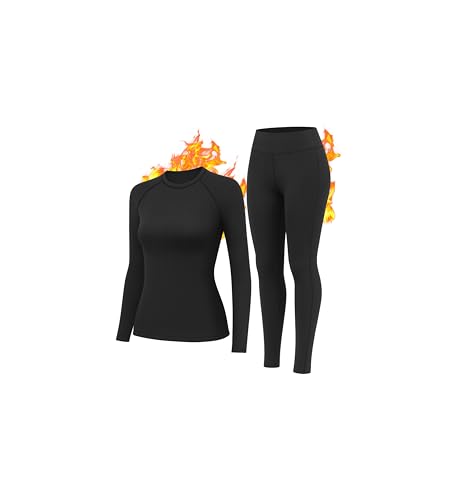
Thermal Underwear for Women Thermal Set Fleece Lined Leggings Long Johns | Womens Thermal Sets Base Layer Women's Clothing Warm Tops Bottoms Long Underwear Snow Thermo Pants Ski Winter Shirt Black XL
Product Overview
This is a women’s thermal underwear set sold as a top and bottom pair, marketed for winter sports including skiing, snowboarding, and cold-weather daily wear. The listing describes it as a fleece-lined base layer, meaning the inner face of the fabric has a brushed or napped finish intended to trap warm air close to the skin. The set is offered in a black colorway in extra-large sizing as listed, and the product title indicates it includes long-sleeve tops and long-leg bottoms rather than shorts or capris. 5 Best Women's Goose Down Jackets for Cold Winters (2026) goes further into this.
The category it belongs to is important for buyers to understand. Base layers are designed to sit against the skin, manage moisture, and add a first level of insulation beneath a mid layer and outer shell. Fleece-lined sets like this one lean toward warmth and softness rather than the lightweight, fast-drying performance that high-output skiers often prefer. That tradeoff shapes everything about how the set performs, so it is worth keeping in mind as you read the rest of this review.
Because this is an Amazon listing rather than a single-brand flagship product, specifics such as exact fiber blend, fabric weight, and certifications can vary by production batch. Always check the product page for the current material composition and care instructions before buying.
Key Features & Specifications
The table below lists the features the product name states or that are generally characteristic of fleece-lined thermal sets of this type. Where the exact specification is not confirmed, we have described the category rather than guessing a number.
| Feature | What the Listing Indicates | What It Means for You |
|---|---|---|
| Product type | Two-piece thermal set (top and bottom) | Layer together on cold days or wear separately for flexibility |
| Construction | Fleece-lined interior | Brushed inner face adds warmth and a soft feel against the skin |
| Garment category | Long-sleeve top and long underwear bottoms | Full coverage from wrists to ankles for cold conditions |
| Intended use | Winter sports, skiing, snow activities, cold-weather wear | Suited to resort skiing in low to moderate activity levels |
| Color | Black | Hides dirt and sweat marks; pairs with most ski outerwear |
| Size listed | XL | Check the size chart and measure yourself before ordering |
| Fiber blend | Not confirmed in this review | Check the product page; blends affect stretch, drying, and odor |
The most important point is that the listing does not clearly state a fabric weight, fiber percentage, or moisture-wicking claim. Buyers who rely heavily on performance fabric specs should treat that as a reason to verify details directly on the product page before purchasing.
Pros & Cons
Pros
- Fleece lining provides noticeable warmth for cold chairlift rides and low-output skiing.
- Two-piece construction gives flexibility to layer top and bottom together or separately.
- Black colorway is versatile and pairs easily with most ski jackets and pants.
- Full-length coverage keeps the legs and arms protected in cold, windy conditions.
- Generally positioned as a more accessible option compared with premium merino or technical synthetic sets.
Cons
- Fleece-lined fabric can feel warm and retain moisture during high-exertion runs.
- Fabric composition and moisture-management performance are not clearly specified in the listing.
- Sizing on imported Amazon items can run inconsistently, so fit may require a return or exchange.
- Thicker fleece is less breathable than lightweight performance layers for warmer days.
- Not designed as a technical, odor-resistant layer for multi-day trips or backcountry touring.
Performance Analysis
Performance for a base layer comes down to three things: warmth at rest, moisture handling during activity, and how the fabric feels across a full day. Based on the fleece-lined construction and the product category, this set is likely to excel at the first and be average at the second. A brushed interior traps air effectively, which is why fleece-lined thermals are popular for skiers who spend long periods standing in the cold, such as those waiting in lift lines or riding slow lifts on very cold mornings.
Where the set may struggle is during harder skiing. Fleece-backed fabrics can hold moisture against the skin once you start sweating, and that can make you feel clammy when you stop for a break. Skiers who work hard through bumps, glades, or long laps may find this set warmer than they want, and may prefer to unzip a mid layer or switch to a lighter base on warmer days. Owners of similar fleece-lined sets commonly report that the layer is excellent in very cold, dry conditions and less comfortable in mild, wet, or high-output days.
Fit and comfort are also central. Thermal sets rely on a close, consistent fit to work well: too loose and the insulation does not stay near the skin, too tight and the fabric restricts movement. Because the size listed is XL, buyers should measure their chest, waist, hips, and inseam and compare them to the product’s size chart rather than relying on their usual clothing size. A set that fits well through the shoulders and seat will move with you on the slope and avoid bunching under a ski pant.
Who Should Buy This Product?
This set is a reasonable choice for skiers and snow sports participants who spend most of their time at resorts in cold climates, particularly those who feel the cold more than they feel overheating. If you are a newer skier who tends to stand still between runs, or a rider who spends long periods on lifts in sub-freezing temperatures, the extra warmth of a fleece lining will likely be welcome. It also makes sense as a secondary layer for cold-weather daily wear, such as walking dogs or shoveling snow, since the same features apply.
You should probably skip this set if you ski hard, sweat heavily, or ski in variable spring conditions. Advanced skiers and backcountry users generally benefit more from merino or synthetic performance fabrics that wick moisture faster and resist odor over multiple days. Buyers who want a lightweight, breathable layer for mild days should also look elsewhere, since a heavier fleece lining can become uncomfortable quickly once temperatures rise.
Buying Guide
When shopping for women’s base layer ski clothing, start by matching the fabric to how you ski. Fleece-lined sets like this one are best for cold, low-output days. Merino wool is a strong all-around choice that regulates temperature and resists odor, and synthetic blends often dry fastest for high-exertion skiing. For a deeper comparison of fabric types, our guide Merino Wool Ski Base Layer Women's: How to Choose Warm, Dry Layers walks through the tradeoffs in detail.
Next, think about the configuration you want. A two-piece set offers flexibility, while a one-piece suit provides continuous coverage and no gap at the waist. If you are unsure where to start, Women's Ski Base Layer Sets: How to Choose the Right Set (2026) covers how to pick between sets and separates. For fit, check the size chart carefully, measure your chest, waist, hips, and inseam, and favor a snug but not restrictive feel. Look at the cuffs and collar as well, since a comfortable neckline and sleeve length matter a lot during long days.
Finally, consider how you will care for the garment. Most base layers should be washed in cool water and air dried to preserve elasticity and softness. Avoid fabric softener, which can reduce wicking performance. A few well-known alternatives are worth comparing if this set does not fit your needs:
- A merino wool base layer top, which many skiers choose for odor control and temperature regulation across multiple days. Compare options here: View on Amazon
- A synthetic performance base layer set, often favored for fast drying during active skiing. Compare options here: View on Amazon
- A lightweight thermal set for milder days, useful when you want less bulk under a shell. Compare options here: View on Amazon
If you are looking at specific ski-focused brands, Smartwool Ski Base Layer: A Practical Guide (2026) and Spyder Ski Base Layer Guide: Sizing, Fabrics & Picks (2026) explain how those lines compare in fit and fabric.
FAQ
Is fleece-lined base layer clothing warm enough for skiing?
For cold, dry resort days with low to moderate activity, fleece-lined base layers provide good warmth. For hard skiing or very mild days, you may overheat, so pair the set with adjustable mid layers and ventilation options.
Should a women’s ski base layer be worn tight or loose?
Base layers should fit close to the skin without restricting movement. Insulation works best when it stays in contact with your body, so avoid anything baggy or bunched under your ski pants.
Can I wear this set for everyday cold-weather use?
Yes, the warmth and coverage make it suitable for shoveling, winter walks, and other cold-weather tasks. Keep in mind that fleece linings can feel warm indoors.
How should I wash women’s base layer ski clothing?
Wash in cool water with a gentle detergent, avoid fabric softener, and air dry flat or on a hanger. This helps preserve fit, softness, and moisture-handling properties.
Does fleece-lined thermal underwear wick moisture well?
Fleece-lined sets tend to trap warmth more than they move sweat quickly. If you sweat heavily, a synthetic or merino base layer may keep you drier during active skiing.
How do I choose the right size in a women’s thermal set?
Measure your chest, waist, hips, and inseam and compare them to the manufacturer’s size chart. Do not rely only on your regular clothing size, since imported thermal sets often run differently.
Is this set a good choice for backcountry skiing?
It is generally better suited to resort skiing. Backcountry touring produces significant sweat, so breathable, fast-drying, or merino layers are usually a better match.
Final Verdict
This fleece-lined women’s thermal set is a sensible pick for skiers who prioritize warmth on cold resort days and want a two-piece layer that is easy to pair with outerwear. Its strengths are the brushed interior, full coverage, and versatile black color. Its limitations are the unclear fabric specifications, the likelihood of overheating during hard skiing, and the need to check sizing carefully before ordering. If you ski mostly low-output days in genuinely cold weather, it deserves consideration. If you ski hard, sweat heavily, or want technical odor and moisture control, a merino or synthetic performance set will likely serve you better.
Check the current listing before buying: View on Amazon
About Miles Sinclair
Miles Sinclair is part of our editorial team and reviews and edits our skiing gear & technique guides, checking product details against manufacturer specifications and owner feedback.
About the author
Miles Sinclair writes reviews and buying guides for Improve Your Skiing.