5 Best Men’s Ski Boots Sale Picks for Every Skier (2026)
Shopping for men's ski boots sale deals? Compare five boots by fit, flex and skill level, with a buying guide to help you pick the right pair.
 By Ethan Brooks
Updated November 20, 2026
 By Ethan Brooks
Updated November 2026
Shopping for men’s ski boots sale listings can feel like a maze of flex numbers, last widths and shell sizes. The right boot matters more than almost any other piece of gear, because it transfers every movement from your legs to the ski. This list compares five boots we researched through product listings, brand reputation and owner feedback patterns, with criteria centered on fit, flex, skill level and foot shape. We have not tested these boots ourselves.
Our top picks at a glance
- 1TOP CHOICEBest overallRossignol EVO 70 HV+ – Ski Boots for Men and Women – BlackView on Amazon
- 2
 TOP CHOICEBest for stiffer, aggressive skiingAtomic HAWX Magna 100 Men's Ski Boots (Black/Red, 27/27.5)View on Amazon
- 3
 TOP CHOICEBest for beginners on a budgetK2 BFC 80 Men's Ski Boots (One Color, 29.5)View on Amazon
- 4
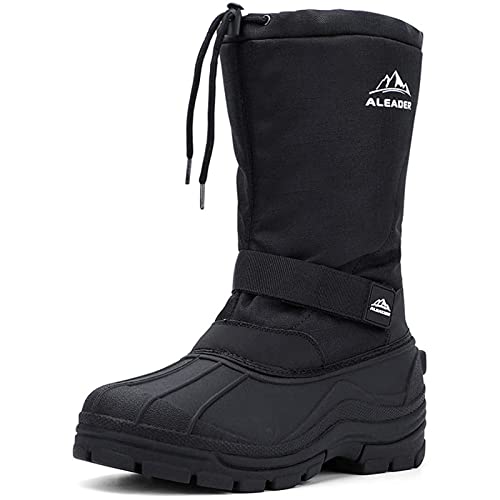 Best for warm, casual snow daysALEADER Winter Boots for Men, Waterproof Snow Boots Hiking Shoes Black 10 D(M) USView on Amazon
- 5
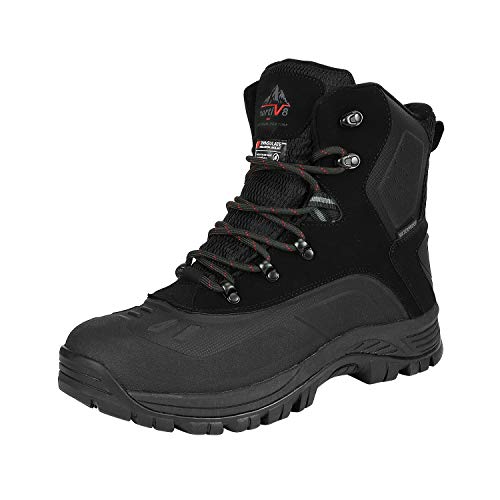 Best for wet, cold conditionsNORTIV 8 Men's Waterproof Hiking Winter Snow Boots, Black/1,11View on Amazon
Our Top Picks
| Product | Best for | Key feature |
|---|---|---|
| Rossignol EVO 70 HV+ | Intermediate skiers | Versatile mid-range flex |
| K2 BFC 80 Men’s Ski Boots | Beginners on a budget | Easy-entry, forgiving fit |
| ALEADER Winter Boots for Men | Casual snow days | Warm, waterproof, non-alpine |
| NORTIV 8 Men’s Winter Snow Boots | Wet, cold conditions | Insulated, waterproof build |
| Atomic HAWX Magna 100 | Aggressive, stiffer skiing | High-flex, precise response |
Rossignol EVO 70 HV+ – Ski Boots for Men and Women – Black
Rossignol EVO 70 HV+ – Ski Boots for Men and Women – Black
Best for: Intermediate skiers who want one boot for groomers and variable snow.
This boot suits skiers who ski regularly and want a comfortable, all-around flex without committing to a race-level stiffness. Owners often report a comfortable initial fit with a wide range of use.
Pros
- Versatile flex for mixed terrain
- Comfortable fit for many foot shapes
Cons
- May feel soft for aggressive experts
K2 BFC 80 Men’s Ski Boots (One Color, 29.5)
K2 BFC 80 Men's Ski Boots (One Color, 29.5)
Best for: Beginners and occasional skiers on a budget.
A forgiving boot for newer skiers still learning to balance and steer. Its softer flex makes it easier to control early in the learning curve.
Pros
- Forgiving flex for learning
- Lower-cost option for the category
Cons
- Less responsive for advanced carving
ALEADER Winter Boots for Men, Waterproof Snow Boots Hiking Shoes Black 10 D(M) US
ALEADER Winter Boots for Men, Waterproof Snow Boots Hiking Shoes Black 10 D(M) US
Best for: Casual snow days, walking in town and light winter use.
This is a winter snow boot rather than an alpine ski boot, so it does not provide ski-specific support or buckle-driven control. It fits best for lodge time, walking and snowy errands.
Pros
- Waterproof upper for slush
- Comfortable for walking
Cons
- Not designed for downhill ski control
NORTIV 8 Men’s Waterproof Hiking Winter Snow Boots, Black/1,11
NORTIV 8 Men's Waterproof Hiking Winter Snow Boots,Black/1,11 | Insulated Construction Hunting Ski Work Boots TUNDRA
Best for: Wet, cold conditions and general winter outdoor use.
An insulated, waterproof winter boot for people who spend time outdoors in snow and slush. As with the previous pick, it is not an alpine ski boot.
Pros
- Insulated for cold weather
- Waterproof construction
Cons
- Not suited to skiing performance
Atomic HAWX Magna 100 Men’s Ski Boots (Black/Red, 27/27.5)
Atomic HAWX Magna 100 Men's Ski Boots (Black/Red, 27/27.5)
Best for: Aggressive, stiffer skiing and strong skiers who want precise response.
A performance-oriented boot for skiers who push the tails of their skis and want direct, quick feedback. Stiffer flex rewards strong technique and can feel demanding to new skiers.
Pros
- Precise, responsive feel
- Suited to aggressive skiing
Cons
- Stiff for beginners
Buying Guide
Flex rating
Flex is the number that tells you how much force it takes to bend the boot forward. Softer flex suits beginners and intermediates, while stiffer flex suits aggressive skiers who drive the ski hard. Manufacturers specify flex ratings, so compare those numbers across models.
Last width and foot shape
The last is the internal width of the boot. Narrow feet slide inside wide shells and cause heel lift, while wide feet can feel compressed. Try boots with your ski socks and check whether toes touch the end when you stand upright.
Skill level and terrain
Match the boot to where you actually ski. Groomers and steeper runs call for more support, while occasional resort days on mixed snow need less stiffness and more comfort.
Waterproofing and insulation
Alpine ski boots are built around control and fit rather than waterproof walking, so keep casual winter boots separate from performance boots. If you need boots for both, plan for a dedicated ski boot and a separate winter snow boot.
Good picks for this: Rossignol EVO 70 HV+ and K2 BFC 80 Men’s Ski Boots
FAQ
Are men’s ski boots on sale worth buying without trying them on first?
Sale prices can be a good deal, but ski boot fit is highly personal, so buying unseen carries real risk. If you can, try boots on in a shop or buy from a retailer with a clear return or exchange policy. Pay close attention to heel hold and toe room before you commit.
How do I know what flex rating I need?
Beginners and casual skiers typically do best with softer flex ratings, which are more forgiving and easier to control. Advanced and aggressive skiers usually want stiffer boots that give more power and precision on hard snow. When you are between levels, consider how often you ski and how fast you like to go.
What does last width mean, and why does it matter?
Last width describes how wide the boot is across the forefoot, and it is one of the most important factors in comfort. A boot with the wrong width can cause pressure points, numbness or cramped toes, even if the length is correct. Many brands offer narrower or wider versions, so check the last width spec before buying.
Are the winter snow boots on this list suitable for skiing?
Insulated waterproof winter and hiking boots are great for walking in snow, but they are not designed to clip into ski bindings. Ski boots have a rigid shell and a specific sole interface that transfers force to the ski. Use the ski-specific options for skiing and the winter boots for around-town or snow-day wear.
How should a ski boot fit feel?
A good ski boot should feel snug without causing pain, with your heel locked in place and your toes lightly touching the front when you are standing upright. Your foot should not shift noticeably when you flex forward. Expect some initial pressure that eases as the liner packs out over several days of use.
Can I get a custom fit or heat-molded liner for a sale boot?
Many ski boots accept aftermarket heat-molded liners or custom footbed work, which can improve comfort considerably. A boot fitter can also adjust the shell and cuff alignment to suit your stance. This service is often worth the cost, regardless of the original purchase price.
Conclusion
If you are a beginner or intermediate skier looking for forgiving comfort, the softer-flexing options on this list are a sensible place to start. Advanced skiers who want more responsiveness on demanding terrain should focus on the stiffer, performance-oriented choices. Above all, let your foot shape and last width guide the decision, since a well-fitting boot will serve you better than any sale price.
For snow-day walking and casual winter wear, the insulated waterproof boots make more sense than ski boots, and they can be a practical addition to your closet. Match each pick to how and where you ski, and you will be far more satisfied with your purchase.
Related reading
- 4 Best Most Comfortable Men's Ski Boots (2026): Our Picks
- Women's Wide Calf Ski Boots: How to Find a Fit That Doesn't Pinch
- Women's Ski Boots Sizing: A Step-by-Step Guide to Getting the Right Fit
- Which Women's Tecnica Ski Boots Fit Best? A Practical Guide
- Ski Boots Ladies Sale: How to Find a Pair That Fits and Flexes Right
About Ethan Brooks
Ethan Brooks is part of our editorial team and reviews and edits our skiing gear & technique guides, checking product details against manufacturer specifications and owner feedback.
About the author
Ethan Brooks writes reviews and buying guides for Improve Your Skiing.