4 Best Most Comfortable Men’s Ski Boots (2026): Our Picks
Looking for the most comfortable men's ski boots? See our four top picks, compare fit and flex, and learn the buying factors that matter for all-day comfort.
 By Ethan Brooks
Updated November 17, 2026
 By Ethan Brooks
Updated November 2026
Shopping for the most comfortable men’s ski boots usually comes down to one thing: how the shell, liner and last fit your foot across a full day on the hill. The criteria below focus on fit, flex, liner padding, warmth and ease of entry, since those drive comfort more than any single feature.
Best overall: Rossignol EVO 70 HV+ – View on Amazon
Best for warm, roomy fit: K2 BFC 80 – View on Amazon
Best for cold, wet conditions: NORTIV 8 Tundra Waterproof Snow Boot – View on Amazon
Best for budget comfort: ALEADER Winter Boot – View on Amazon
Our Top Picks
| Product | Best for | Key feature |
|---|---|---|
| Rossignol EVO 70 HV+ | All-day comfort on the slopes | Adjustable flex, moderate shell |
| K2 BFC 80 Men’s Ski Boots | Roomy, warm fit | Generous volume, cushioned liner |
| NORTIV 8 Tundra Snow Boot | Cold, wet days | Waterproof, insulated build |
| ALEADER Winter Boots | Budget-conscious buyers | Easy entry, soft padding |
Rossignol EVO 70 HV+ – Ski Boots for Men and Women – Black
Rossignol EVO 70 HV+ – Ski Boots for Men and Women – Black
Best for: All-day comfort on the slopes
This boot suits skiers who want a balance of support and forgiving fit for long runs and multiple days in a row.
Pros
- Moderate flex that softens shin pressure on long descents
- Padded liner that settles with wear
Cons
- Narrower last may not suit wide feet
K2 BFC 80 Men’s Ski Boots (Grey, 28.5)
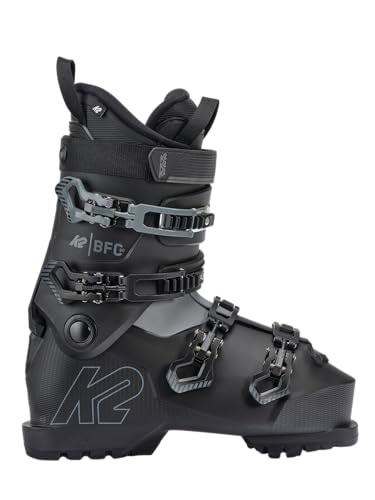
K2 BFC 80 Men's Ski Boots (Grey, 28.5)
Best for: Roomy, warm fit
Skiers with medium-to-wide feet or those who ski in cold conditions and want extra room for thick socks will find this boot comfortable.
Pros
- Generous volume across the forefoot
- Warm, cushioned liner for cold days
Cons
- Extra volume can feel loose for narrow feet
NORTIV 8 Men’s Waterproof Hiking Winter Snow Boots,Black/1,11 | Insulated Construction Hunting Ski Work Boots TUNDRA
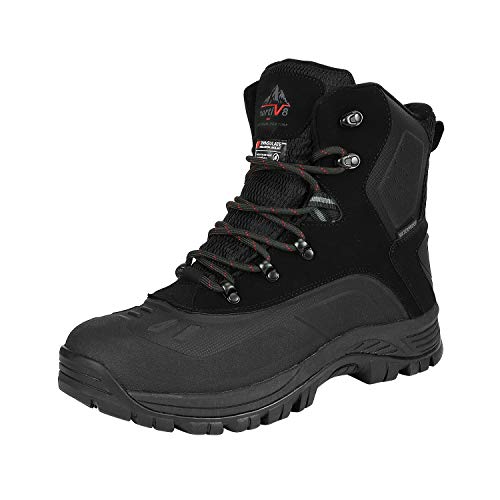
NORTIV 8 Men's Waterproof Hiking Winter Snow Boots,Black/1,11 | Insulated Construction Hunting Ski Work Boots TUNDRA
Best for: Cold, wet conditions
This option fits people who spend time in snow outside the resort and need dry, insulated feet more than a performance ski flex.
Pros
- Waterproof construction keeps feet dry in slush
- Insulated for extended cold exposure
Cons
- Not built with the stiffer support of alpine ski boots
ALEADER Winter Boots for Men, Waterproof Snow Boots Hiking Shoes Black 10 D(M) US
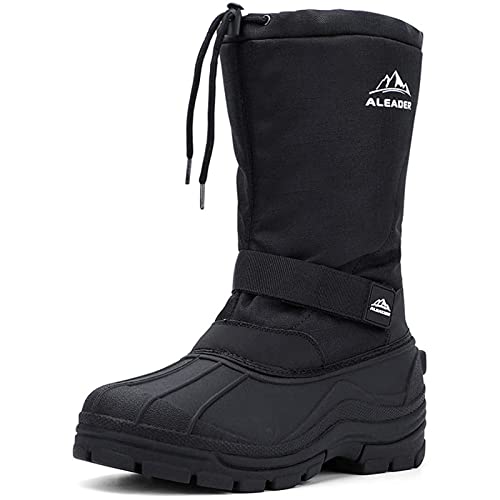
ALEADER Winter Boots for Men, Waterproof Snow Boots Hiking Shoes Black 10 D(M) US
Best for: Budget-conscious comfort
Beginners and occasional snow users who want easy entry and soft padding without buying a full performance boot will find it practical.
Pros
- Easy to step into and remove
- Soft padding for relaxed walking in snow
Cons
- Less control than dedicated ski boots for aggressive skiing
Buying Guide
Fit and Volume
Comfort starts with the last, the width of the boot at the forefoot. If your toes touch the front when you stand upright with your heel back, the length is right, but a boot that presses on the sides of your foot will hurt within a few runs.
Flex Rating
Flex is the stiffness of the shell, and a softer flex generally feels more comfortable for beginners and intermediates. Stiffer boots give more control but can pinch the shin on long days.
Liner Padding and Warmth
A liner with more padding cushions pressure points and helps feet stay warm. Check that the liner can be heat-molded or that it compresses evenly as it breaks in.
Entry and Buckle Design
Easy entry reduces strain on the calf and ankle when you’re getting in and out of the boot. Buckles that close evenly keep pressure spread out rather than concentrated on one spot.
Good picks for this: Rossignol EVO 70 HV+ and K2 BFC 80
FAQ
Do ski boots get more comfortable over time?
Yes, most liners compress and mold to your foot after several days of use. Heat-moldable liners can be shaped at a boot fitter for a more customized result.
How tight should a ski boot feel?
The boot should feel snug without causing pain or numbness, and your heel should stay in place when you flex forward. Your toes should not hit the front on a forward lean.
Should I see a boot fitter?
A certified boot fitter can assess foot shape, alignment and volume, which is especially helpful if you have wide feet or chronic discomfort. Consult a professional fitter for persistent foot or ankle pain.
Conclusion
For all-round comfort, the Rossignol EVO 70 HV+ is a strong starting point. Skiers with wider feet or cold-weather needs will likely prefer the K2 BFC 80, while the NORTIV 8 suits wet snow and the ALEADER fits budget-minded buyers who want easy entry.
Sources
- Standards and measurement guidance relevant to footwear sizing and fit (nist.gov)
- Guidance on cold-weather foot protection and frostbite prevention (cdc.gov)
Related reading
- Women's Wide Calf Ski Boots: How to Find a Fit That Doesn't Pinch
- Women's Ski Boots Sizing: A Step-by-Step Guide to Getting the Right Fit
- Which Women's Tecnica Ski Boots Fit Best? A Practical Guide
- Ski Boot Bag Women's?
- Salomon S Pro Ski Boots: Fit, Flex and Who They Suit
- Mens Ski Boots and Skis: How to Match Flex, Fit and Length
About Ethan Brooks
Ethan Brooks is part of our editorial team and reviews and edits our skiing gear & technique guides, checking product details against manufacturer specifications and owner feedback.
About the author
Ethan Brooks writes reviews and buying guides for Improve Your Skiing.